Ship Repair Digest
Independent analysis and critical commentary on ship repair, drydocking and fleet decarbonisation — written by engineers, not by a marketing desk.
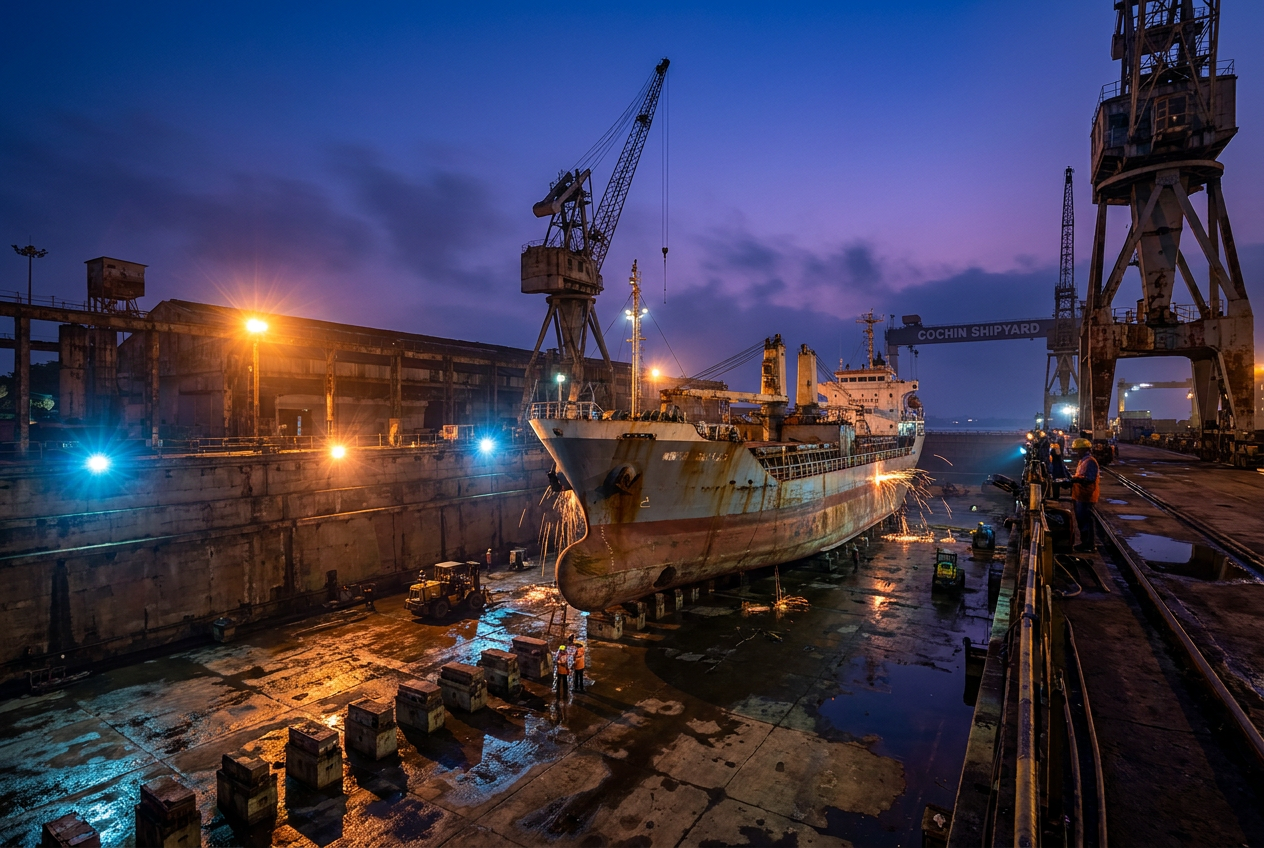
Cochin-Drydocks JV Reshapes Mid-Sized Ship Repair Options in Kochi
Cochin Shipyard’s decision to place its Kochi repair complex into a jointly owned company with Drydocks World is more than a corporate transaction: it signals a deliberate bid to build a stronger Indian Ocean repair hub. For shipowners, the significance lies in whether Kochi can become a credible, lower-deviation alternative to Gulf and Southeast Asian yards for planned maintenance and short-cycle refit work.
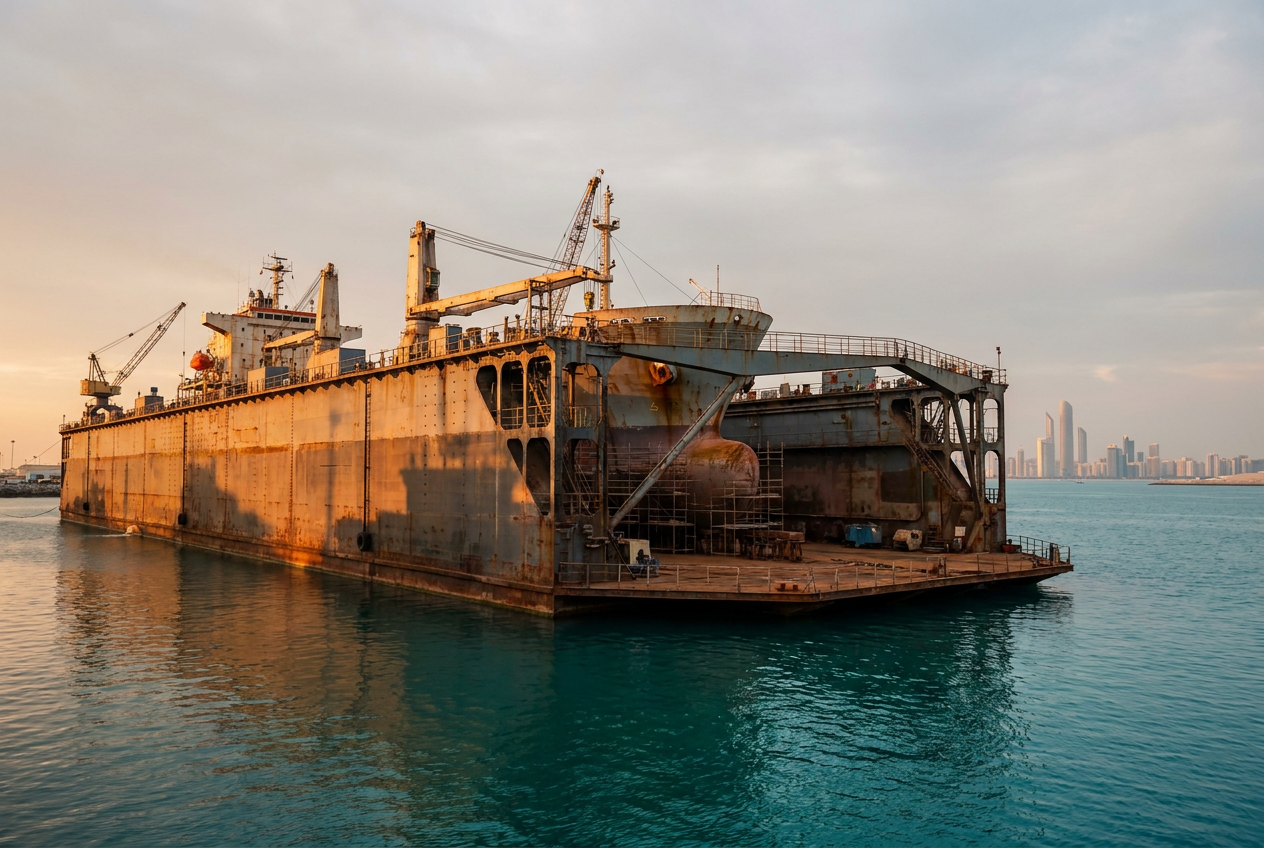
Safeen’s New Floating Dock Strengthens Abu Dhabi’s Repair Market Position
Safeen Drydocks’ installation of a 230-metre floating dock in Abu Dhabi materially increases heavy repair capability in the UAE. For shipowners and offshore operators, the move matters less as a headline about scale and more as a sign of tighter regional turnaround options, reduced positioning risk and greater scheduling choice.
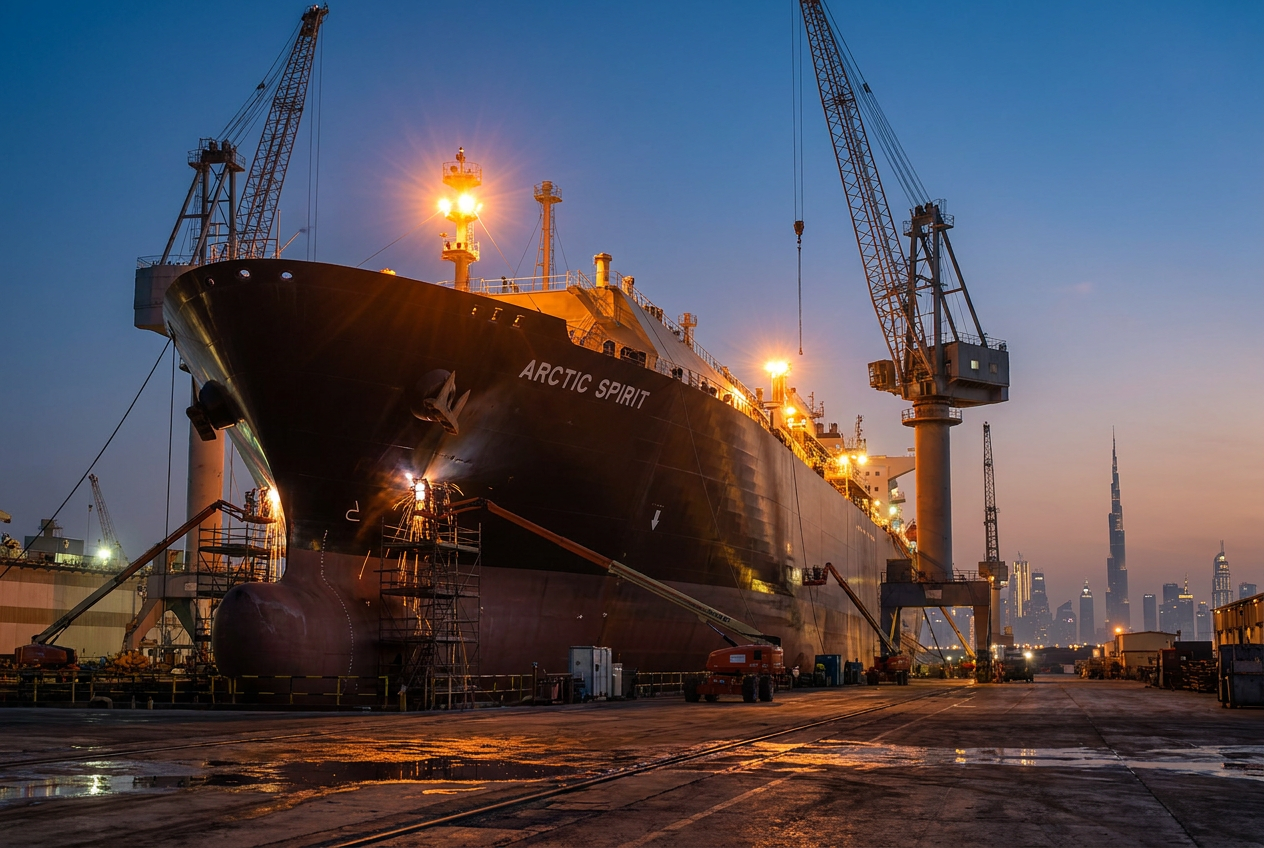
Gabon FSU Conversion Highlights LNG Carrier Reuse Economics
Lloyd's Register is supporting the conversion of an LNG carrier into a floating storage unit for Gabon's Cap Lopez gas development, with work under way in Dubai. The project illustrates why owners are increasingly turning to midlife LNG tonnage for stationary infrastructure roles where schedule, capital discipline and flare-reduction goals align.
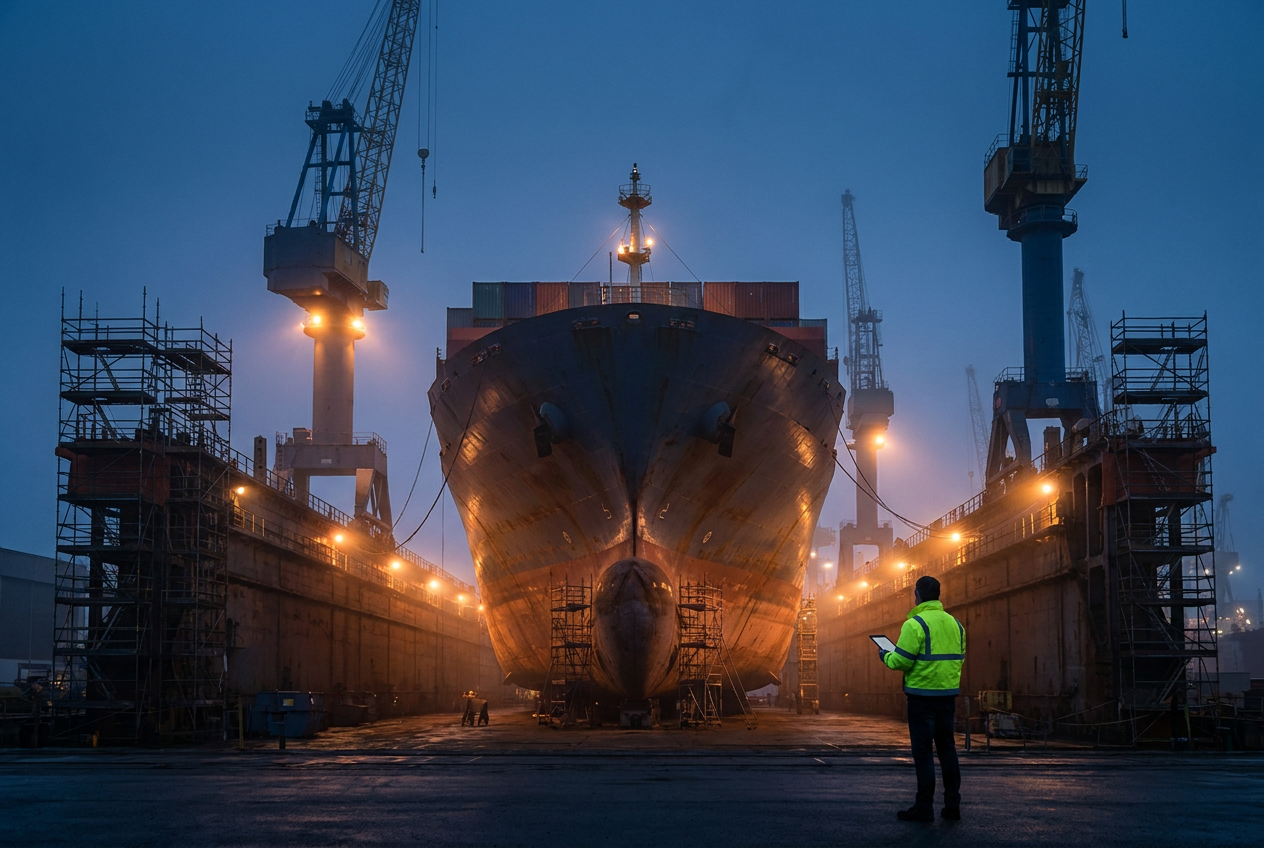
IMO Delay Extends Compliance Uncertainty for Shipowners and Retrofit Planning
The latest IMO climate talks ended without a settled global framework, prolonging uncertainty for owners already managing regional carbon costs and tight drydock schedules. For operators, the immediate issue is not only policy delay, but the growing difficulty of timing fuel, retrofit and fleet-allocation decisions with confidence.
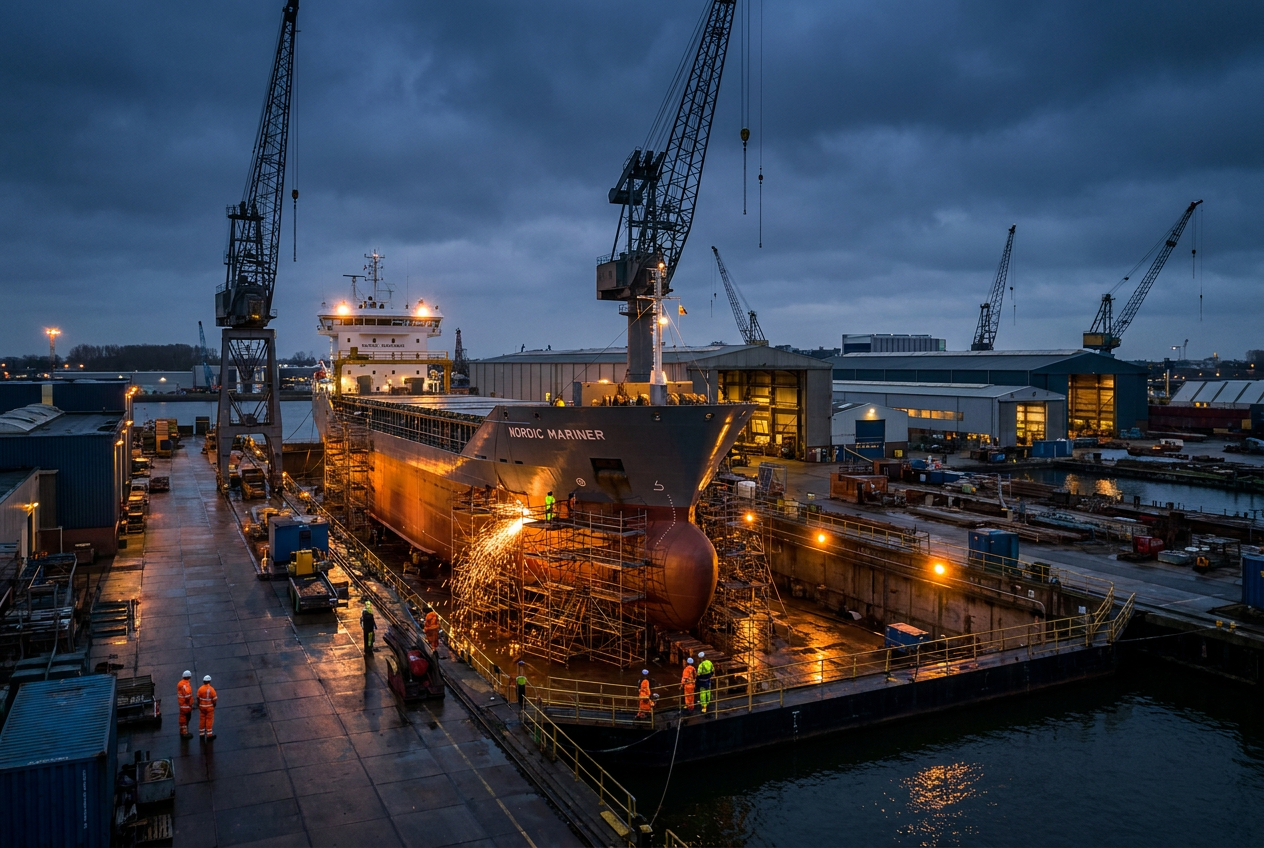
Damen’s Shipdock Deal Deepens Dutch Repair Capacity at a Critical Time
Damen’s purchase of Shipdock adds two Dutch yards to its repair and conversion network at a moment when owners face tighter environmental rules, expensive off-hire and limited dock availability. The deal matters less as a headline M&A event than as a signal that regional repair infrastructure is becoming strategically valuable again.
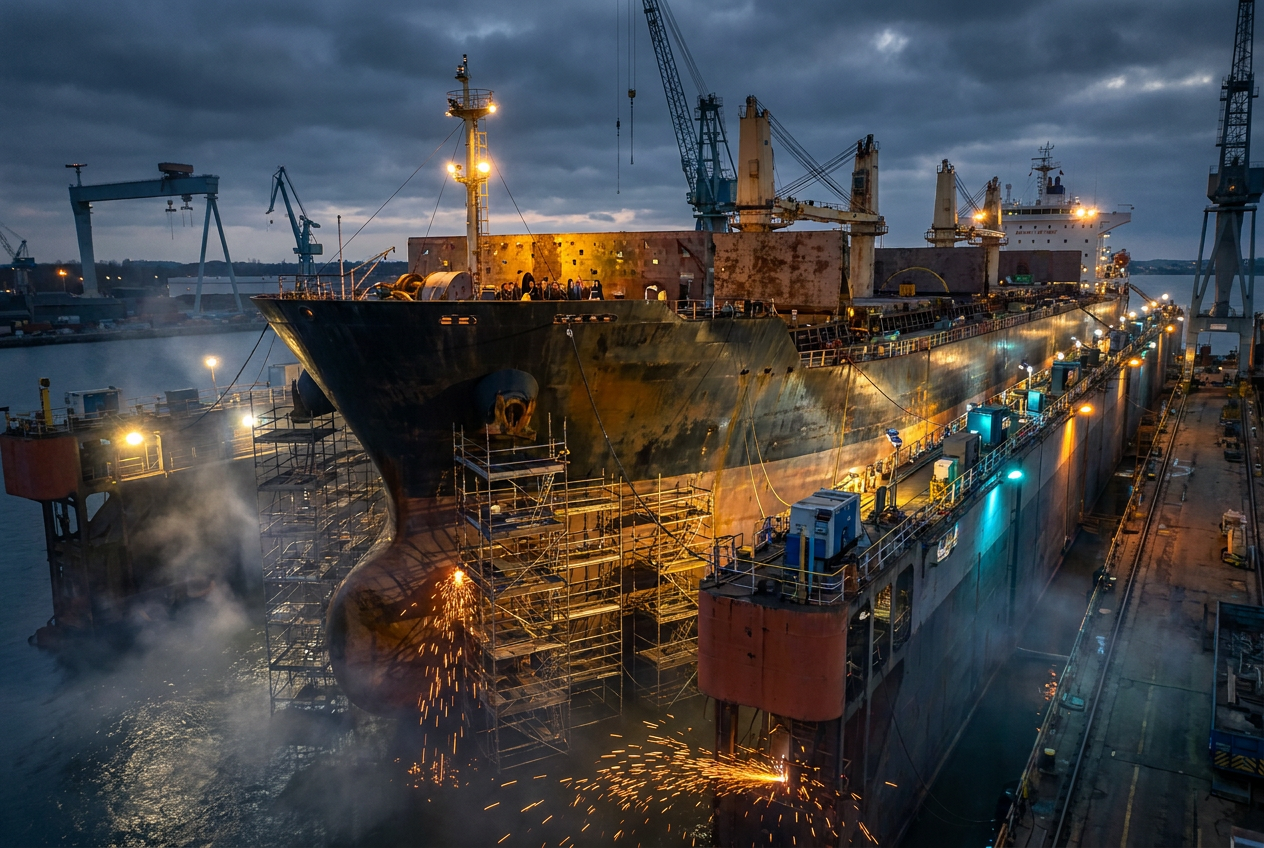
Retrofit Timing Is Becoming a Competitive Advantage for Shipowners
ABS is urging owners to move early on efficiency retrofits as regulatory carbon costs and tightening yard capacity reshape fleet planning. The warning matters because retrofit timing is no longer just a technical issue; it is becoming a determinant of earnings resilience and asset value.
How Escrow Protects Both Sides of a Ship-Repair Deal
Escrow lets shipowners and repair yards work together without either side carrying all the payment risk. Here is how it works, and when it is worth using.
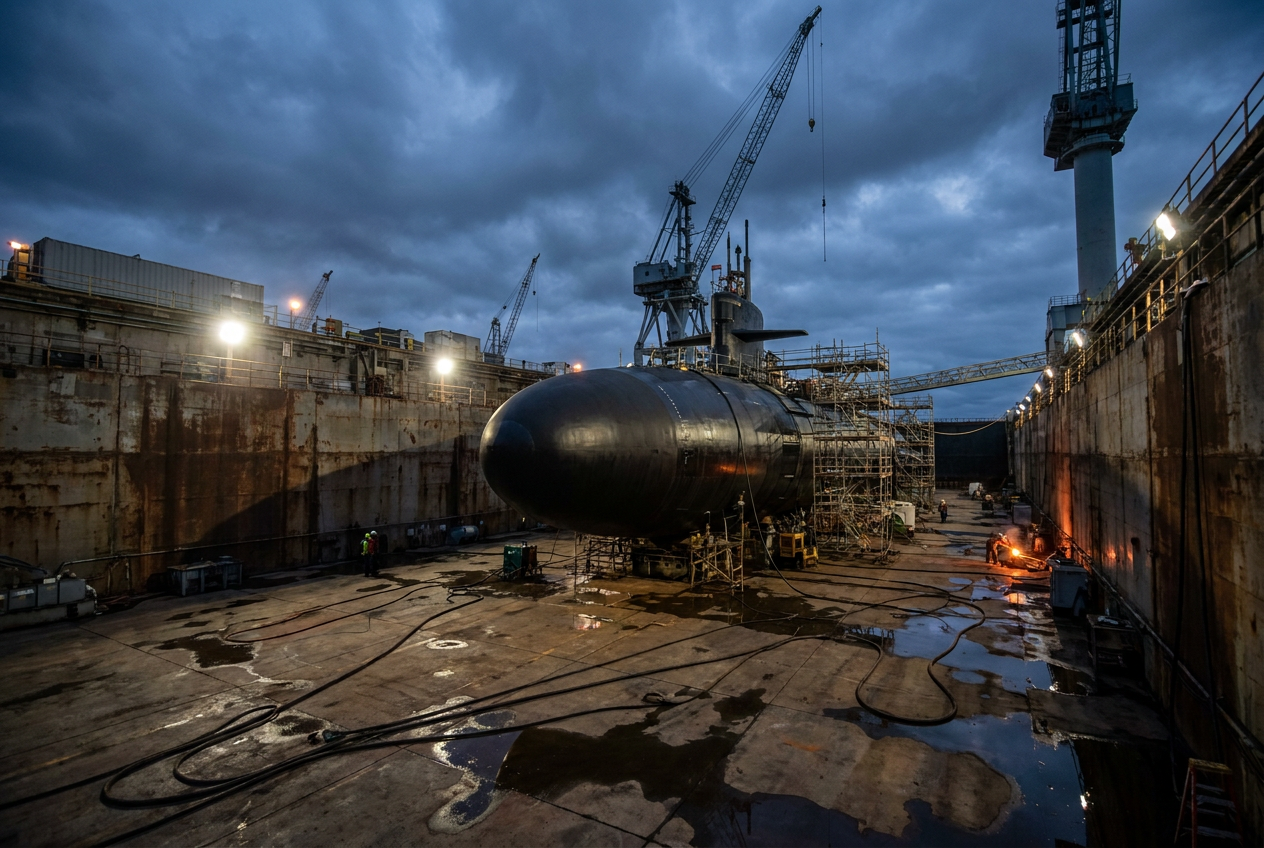
US Submarine Yard Delays Show the Strategic Cost of Repair Capacity Shortfalls
A US government audit has quantified how maintenance bottlenecks are sidelining nuclear attack submarines for extended periods, turning repair capacity into a direct readiness and cost issue. For commercial shipping stakeholders, the findings are a stark reminder that constrained yard access, poor schedule reliability, and workforce shortages now carry strategic as well as financial consequences.
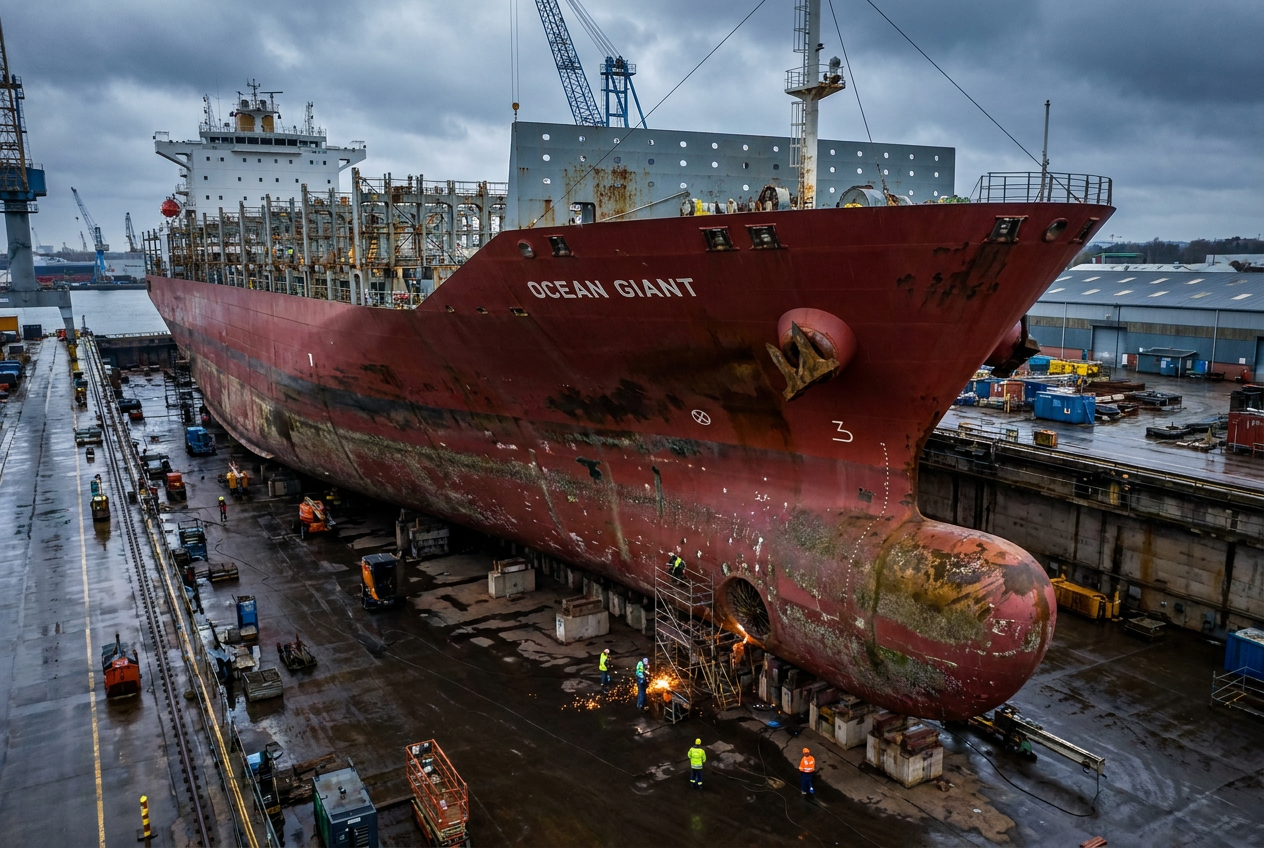
DNV Case Study Strengthens Retrofit Economics for Midlife 5,000-TEU Boxships
A DNV assessment of a 2013-built 5,000-TEU containership suggests that combining hull and propulsive upgrades can produce a compelling commercial return at the vessel’s next major drydocking. For owners facing efficiency regulation and volatile bunker costs, the study reinforces that hydrodynamic retrofits are increasingly a balance-sheet decision, not just a decarbonisation gesture.
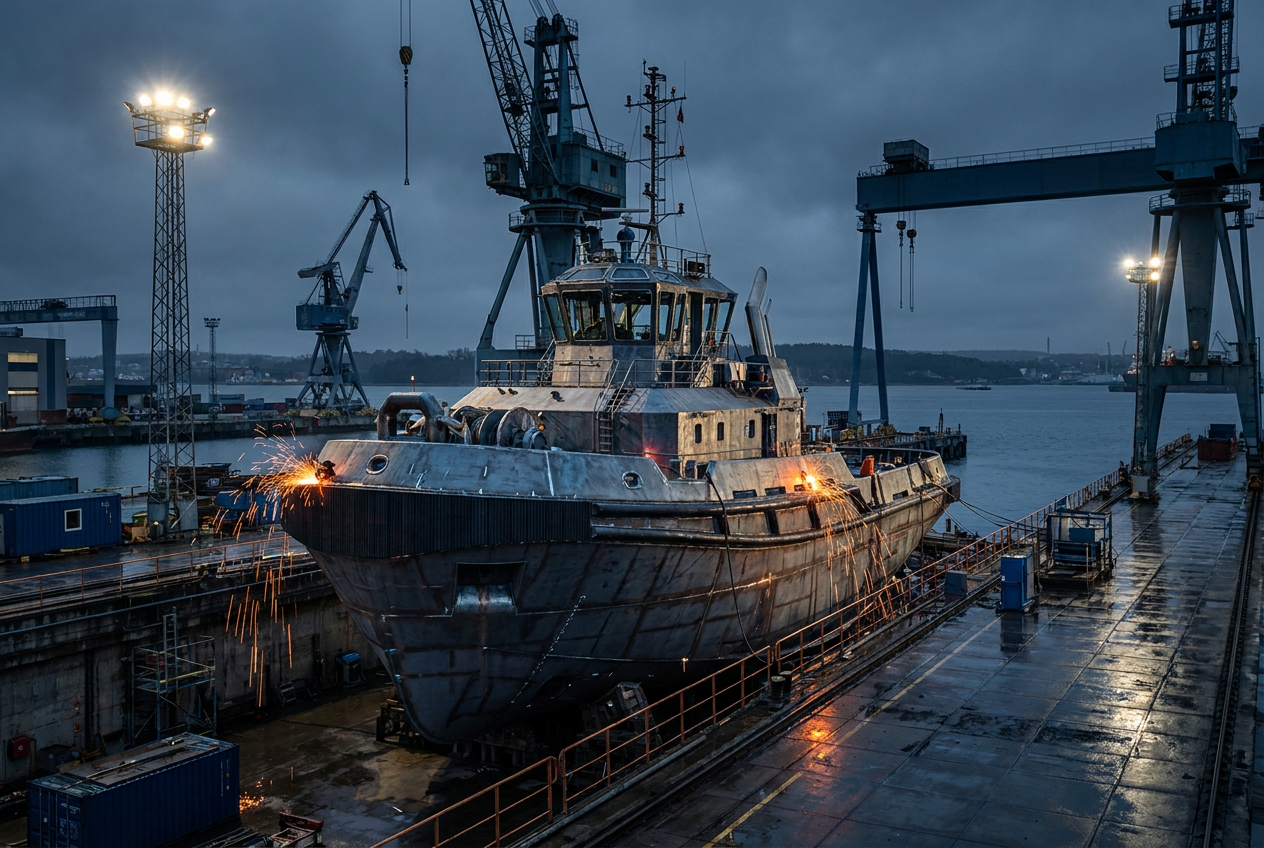
Global Tugboat Construction Market: Demand, Shipyard Competition, and the Next Fleet Renewal Cycle
This is Part 1 of our series on the tugboat construction market. The article provides an end-to-end assessment of the global tugboat construction sector, examining how demand is shaped by port expansion, terminal specialization, aging fleet replacement, and environmental regulation; how shipyards compete on design capability, delivery time, and price; and how technology shifts in propulsion, emissions compliance, and vessel efficiency are redefining the next fleet renewal cycle.
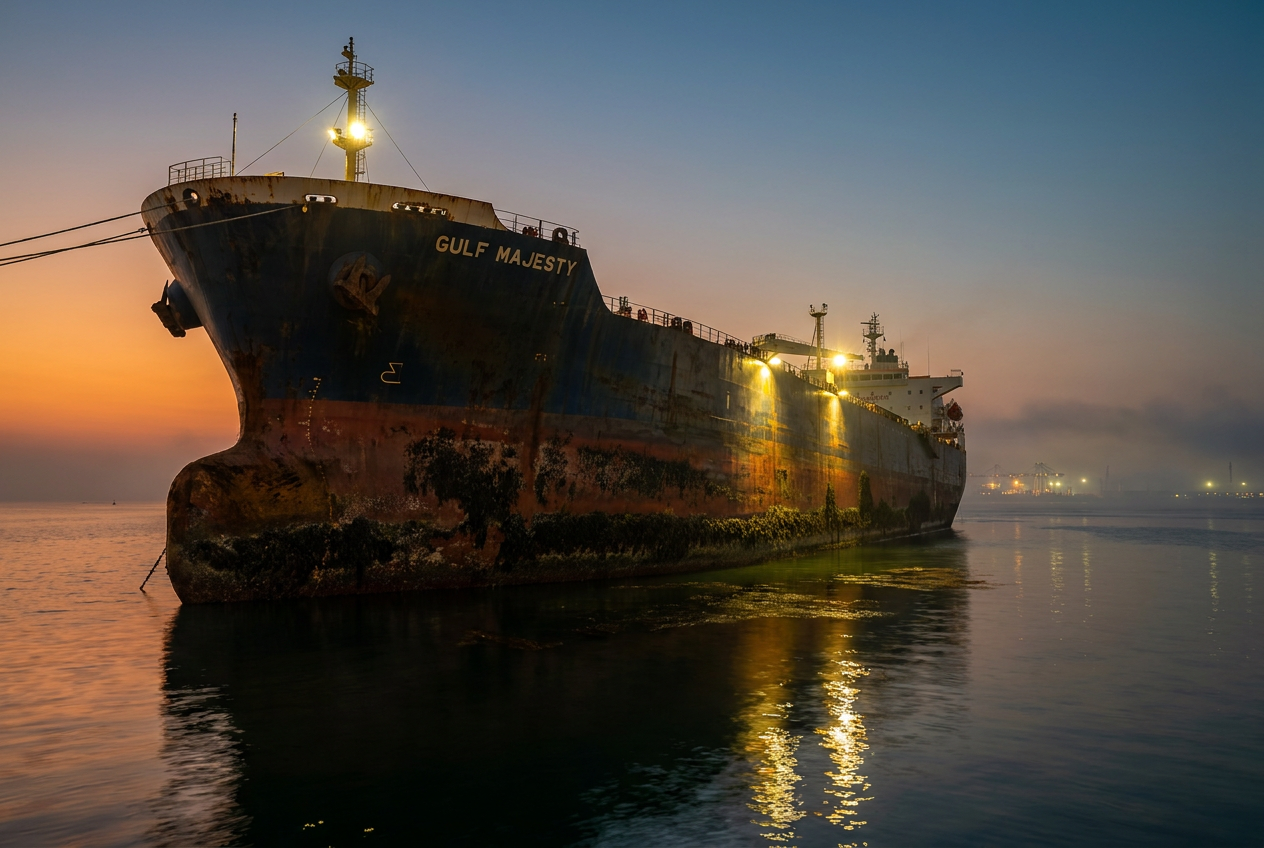
Persian Gulf Delays Turn Idle Vessels into a Biofouling and Compliance Threat
Extended vessel immobilisation in the Persian Gulf is becoming more than a scheduling problem: it is creating a fast-rising hull fouling, efficiency and biosecurity exposure. For owners and technical managers, the issue now reaches into emissions compliance, charter economics and drydock planning.
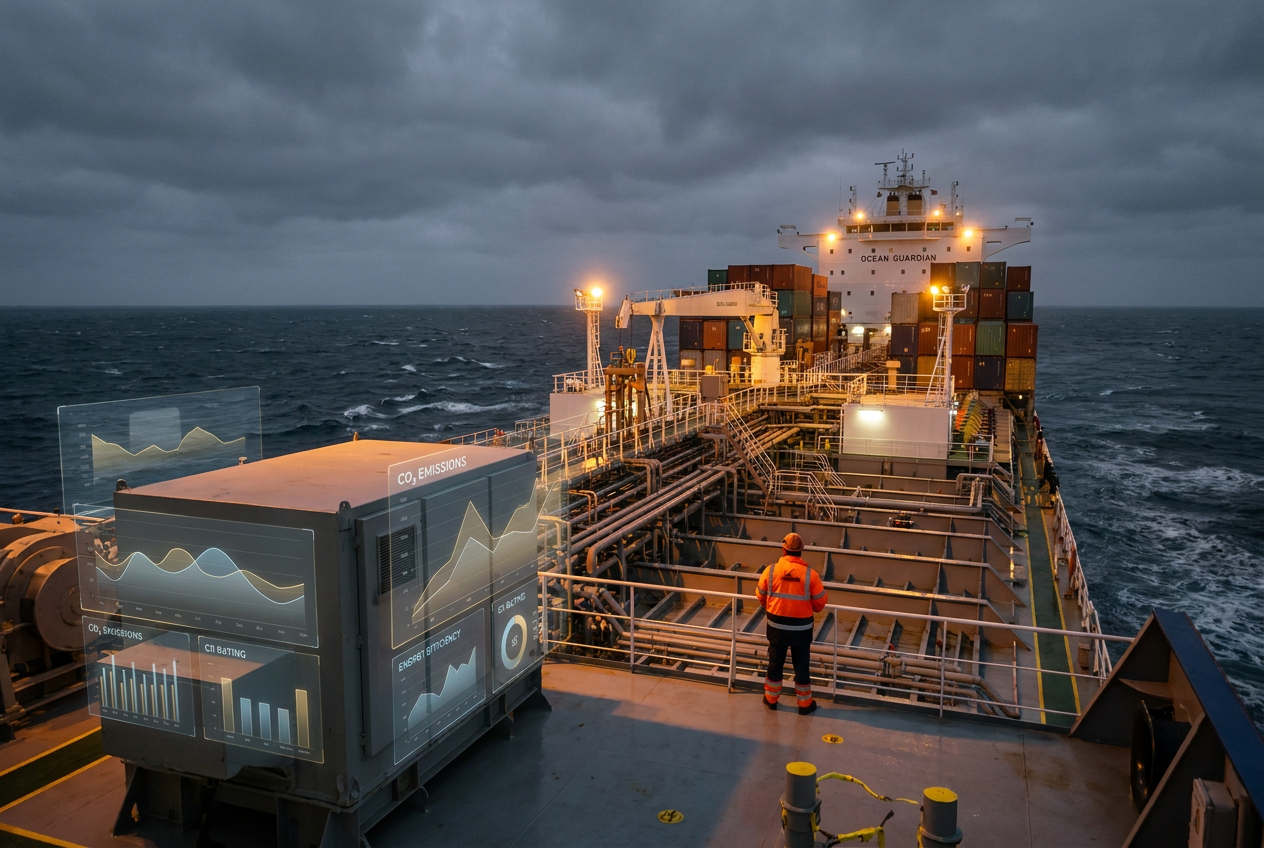
Energy efficiency retrofits gain weight as 2026 decarbonisation rules remain fluid
With the IMO’s net-zero package not yet settled, shipowners enter 2026 facing a familiar problem: uncertain future rules alongside very real current compliance costs. That makes energy-efficiency retrofits increasingly attractive as lower-regret investments that can improve carbon metrics, reduce fuel burn and contain exposure to European regulation.
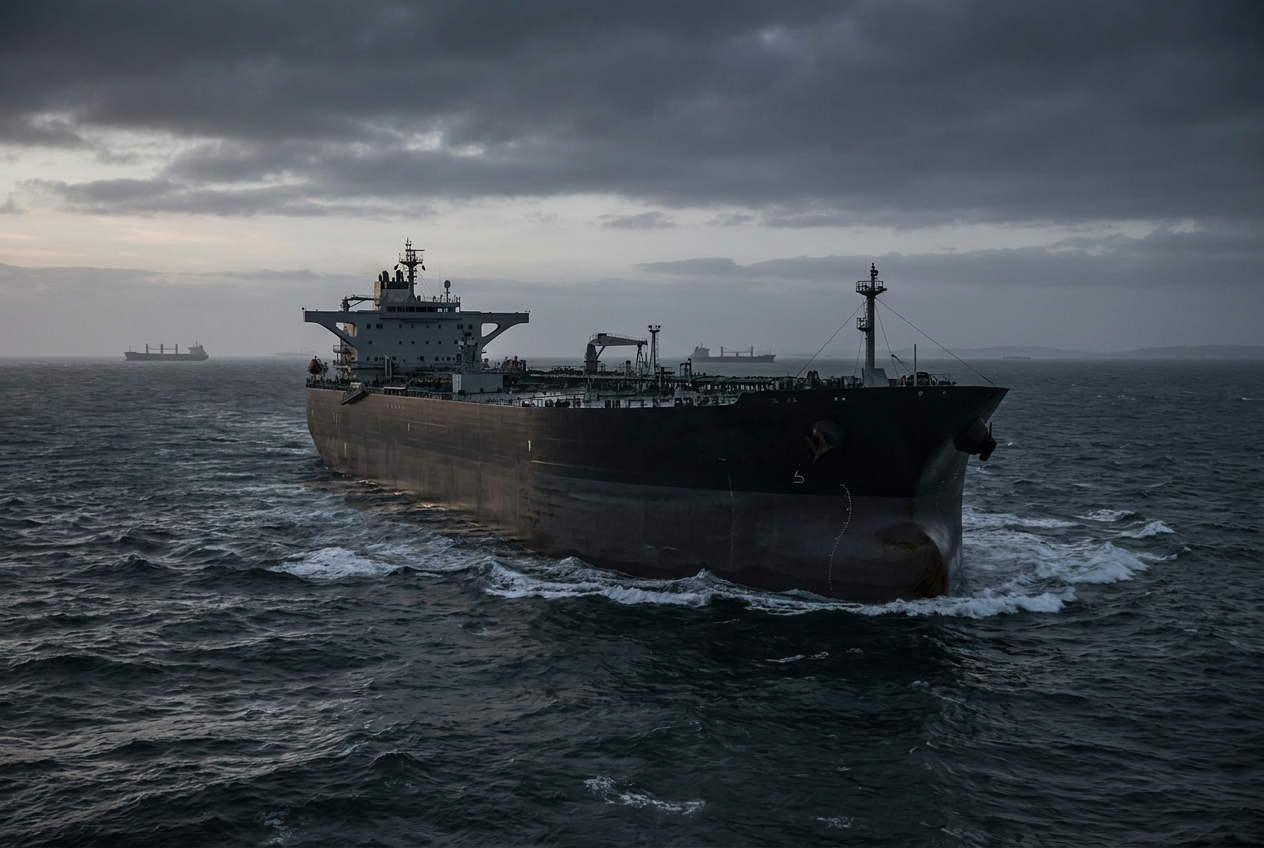
From Brutin to CMB Tech: How to Evaluate Diverging Tanker Equity Stories in 2026
Part 1 of our series on tanker equities in 2026 argues that even companies exposed to the same tanker market should not be treated as a single sector trade. Ownership type, capital structure, execution quality, scale, liquidity, and investor base create materially different equity outcomes. Using Brutin, Okeanis Eco Tankers, CMB Tech, and selected pure-play peers, this article sets out a practical framework for distinguishing value-unlocking stories, premium re-rating stories, blue-chip platform stories, and specialist pure-play vehicles.
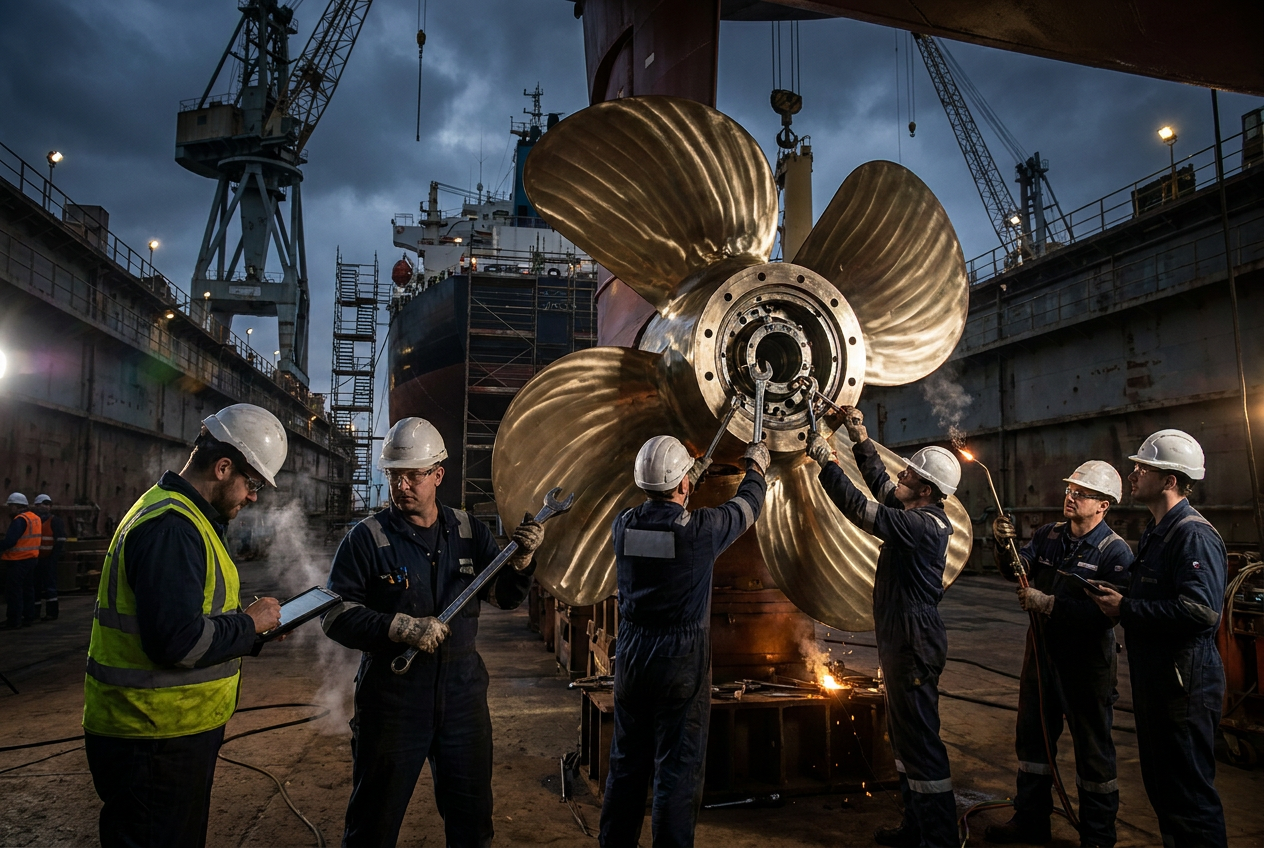
Propulsion Retrofits Gain Weight in Shipping’s Decarbonization Toolkit
Berg Propulsion’s recent retrofit results strengthen the commercial case for propulsion upgrades as a near-term decarbonization measure. For owners running vessels well below original service speed, machinery re-optimization is becoming a practical response to emissions rules, fuel costs and tightening charter performance expectations.

IMO Carbon Pricing Debate Sharpens Retrofit and Compliance Decisions
The IMO’s next round of climate negotiations will determine whether shipping gets a firmer, softer, or more fragmented path to global carbon pricing. For owners and operators, the outcome will directly shape fuel strategy, retrofit timing, drydock planning, and the economics of keeping older tonnage competitive.
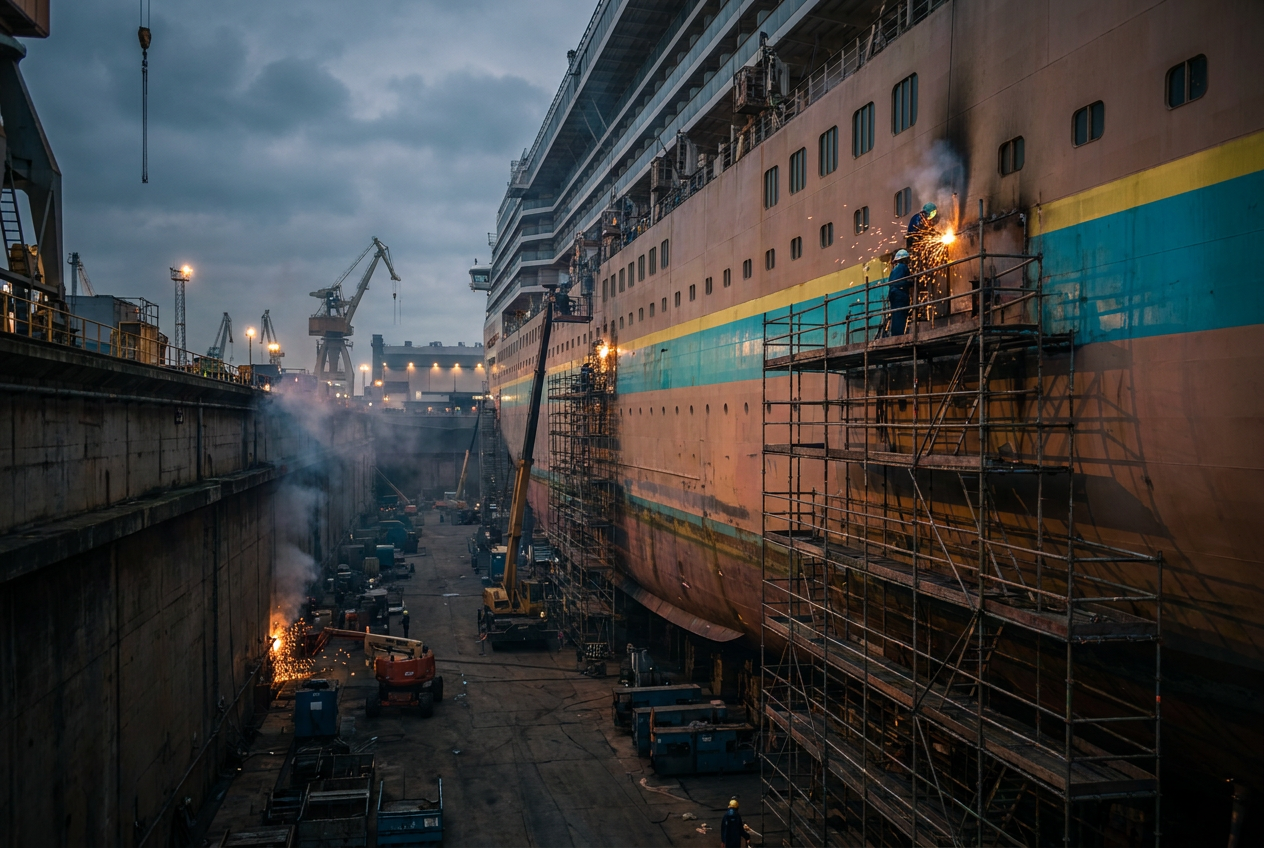
Margaritaville's Belfast Refit Signals Stronger Demand for Cruise Conversions
Margaritaville at Sea has again chosen Belfast for a major cruise-ship conversion, while also securing a future operating slot in Galveston. For shipowners and technical managers, the decision highlights how midlife refurbishment, yard access, and deployment planning are becoming tightly linked commercial levers.
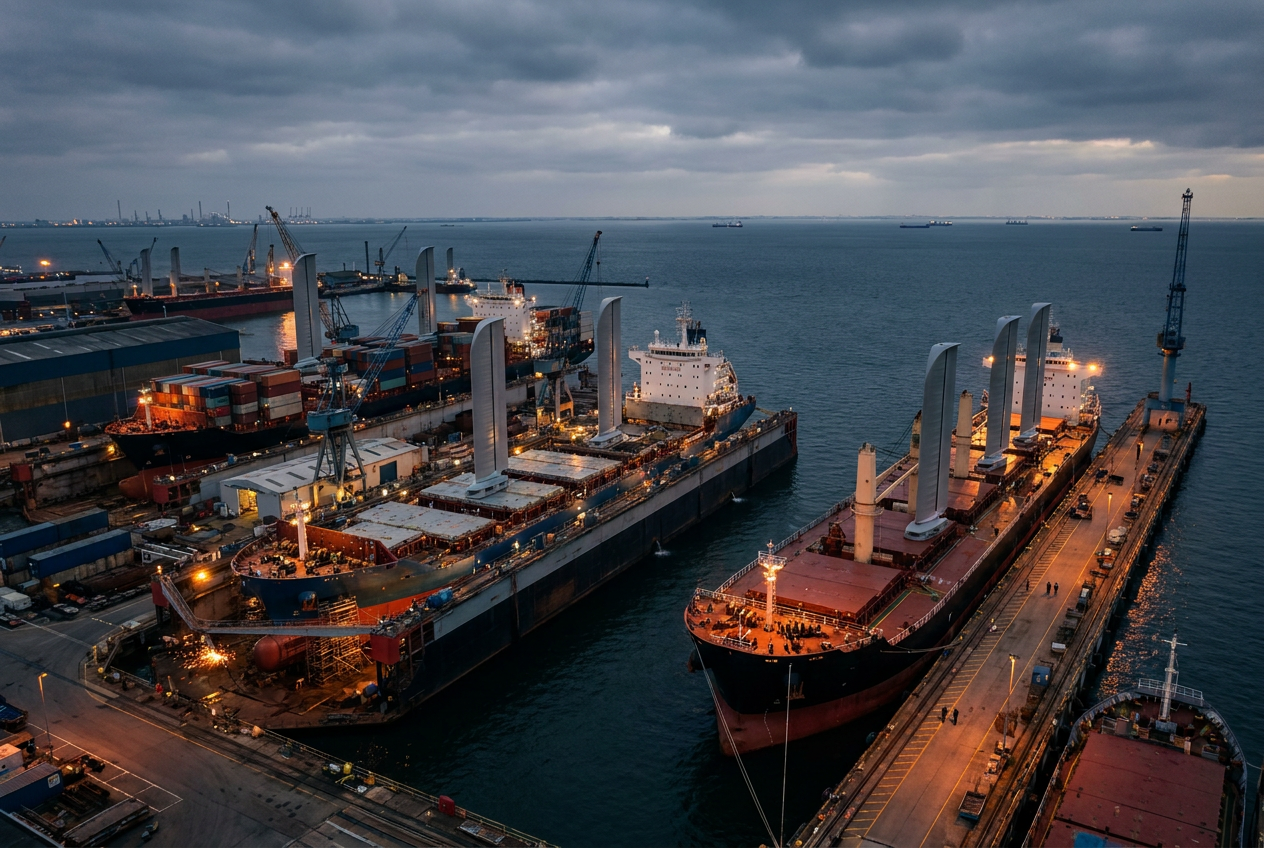
Five-Vessel VentoFoil Rollout Signals WASP Retrofit Shift
Econowind's latest installations across three shipyards show wind-assist moving beyond isolated pilots into repeatable retrofit work. For owners facing CII pressure and rising emissions costs in Europe, that matters less as a technology headline and more as an operational and financial signal.

Antifouling Design, CII Pressure and Smarter Drydock Planning
Antifouling selection is no longer a routine paint decision but a performance, compliance and drydock-planning issue. For shipowners facing tighter emissions scrutiny and rising voyage costs, coating design errors can lock in higher fuel burn, weaker CII outcomes and avoidable repair expense across an entire docking cycle.
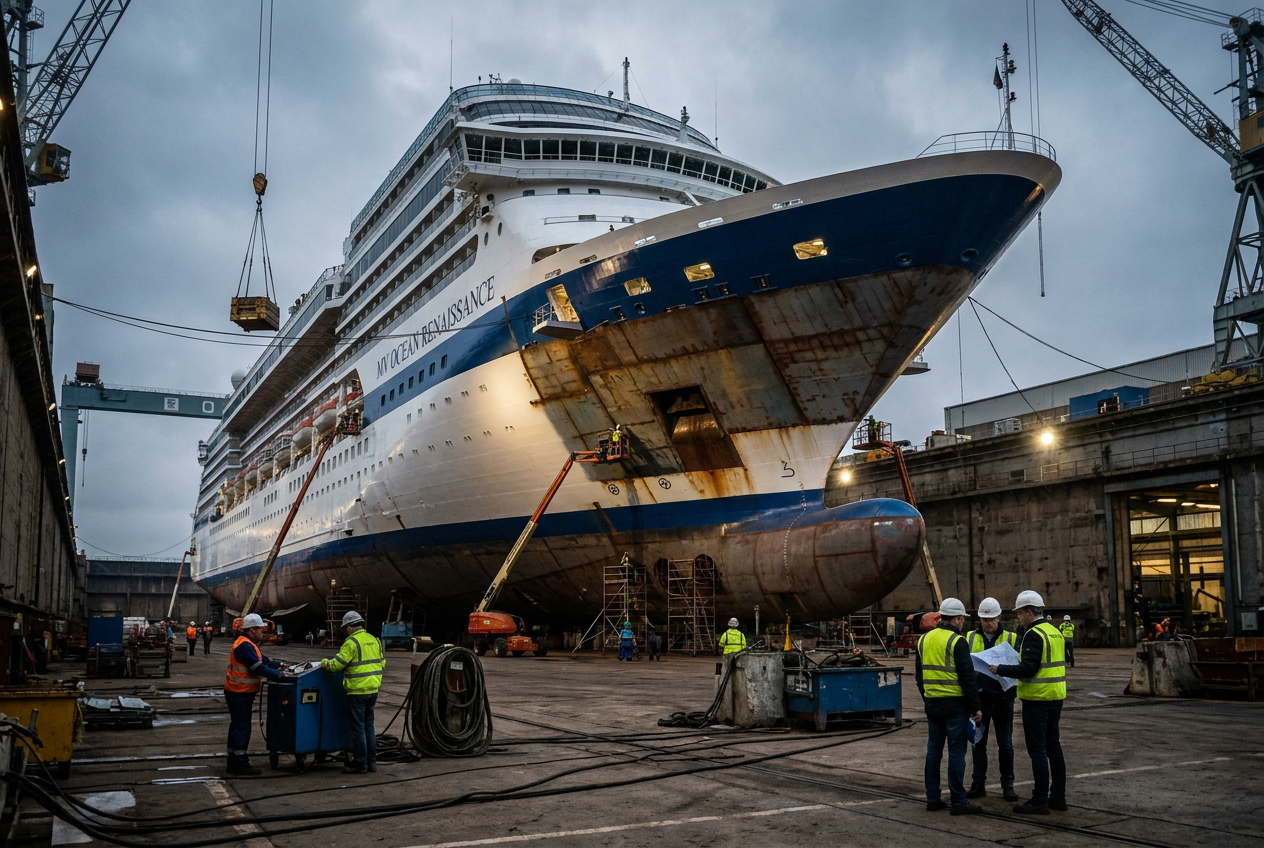
Cruise drydocks shift toward integrated repair and conversion packages
European yards are seeing cruise owners bundle mandatory technical work with cabin, hotel and revenue-focused upgrades in the same docking period. That shift is reshaping yard selection, project planning and the economics of maintaining older but commercially viable tonnage.
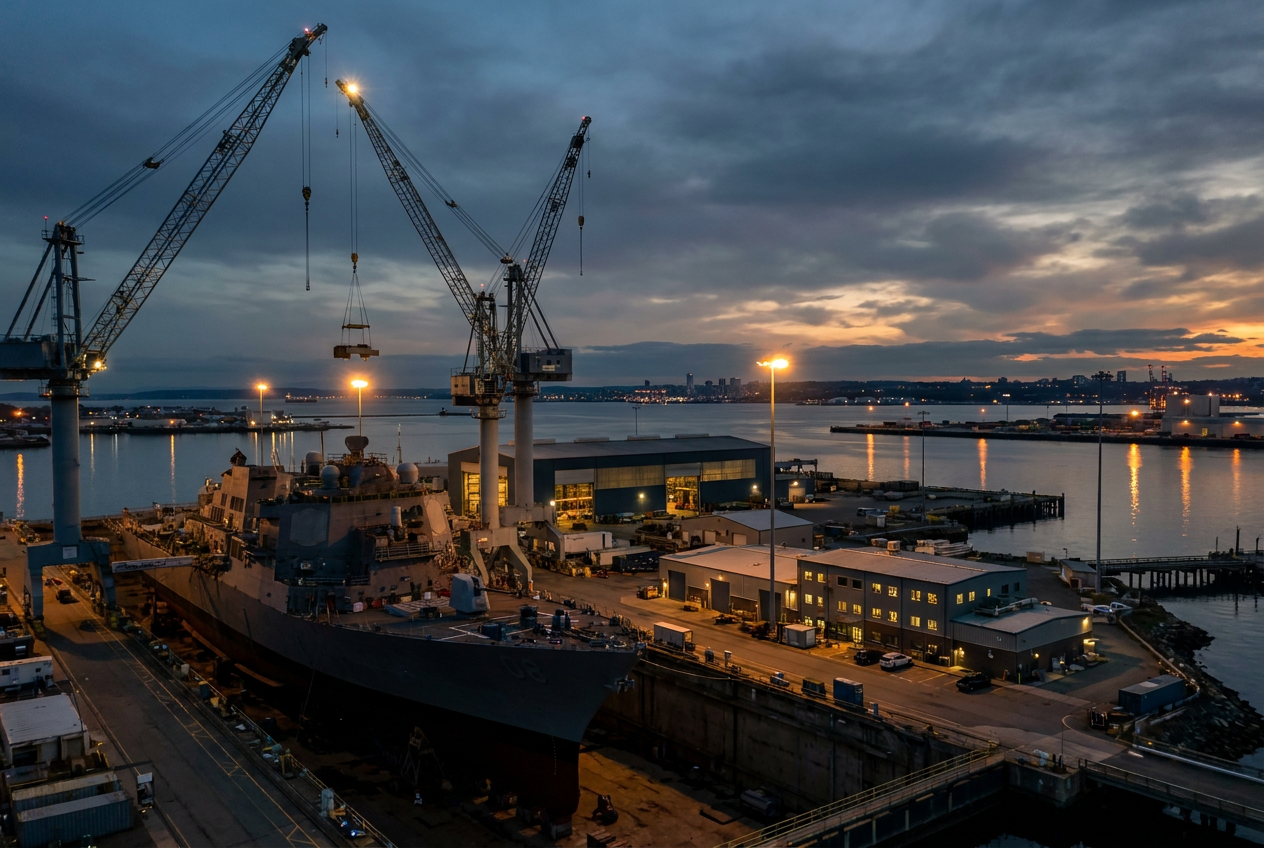
HD Hyundai’s U.S. Yard Move Could Reprice American Shipbuilding
Reported talks between HD Hyundai and a U.S. shipyard point to more than a simple ownership transaction. If completed, the move would deepen foreign-backed industrial participation in the U.S. market and could alter how repair, modernization, and newbuild work is competed and delivered.
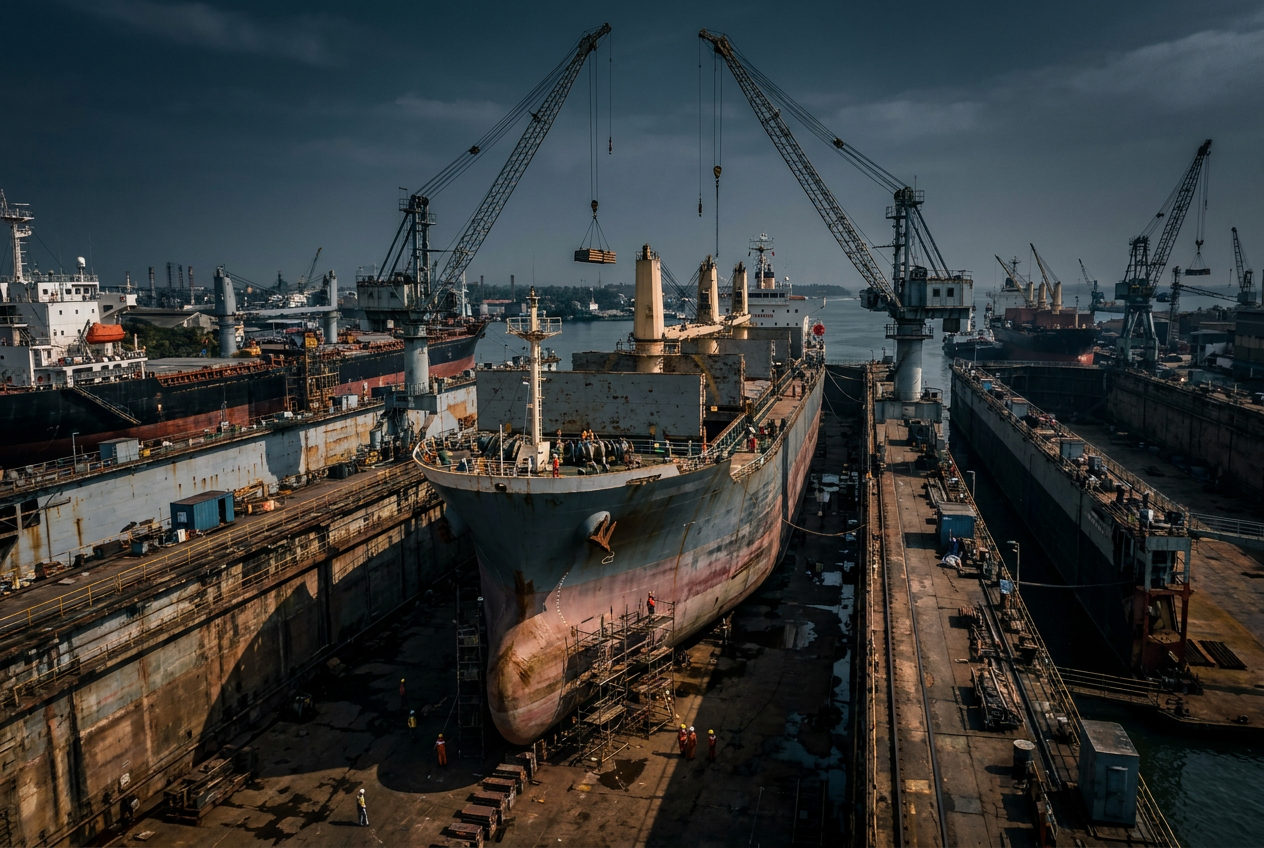
Cochin’s Q2 shows how mixed yards can squeeze repair availability
Cochin Shipyard’s latest quarterly figures underline a recurring issue in Asia-Pacific: when a yard serves both newbuilding and repair, repair throughput can weaken even if the wider business remains resilient. For shipowners, the result is a reminder that yard selection is increasingly about slot certainty, turnaround discipline and lifecycle compliance planning, not headline pricing alone.
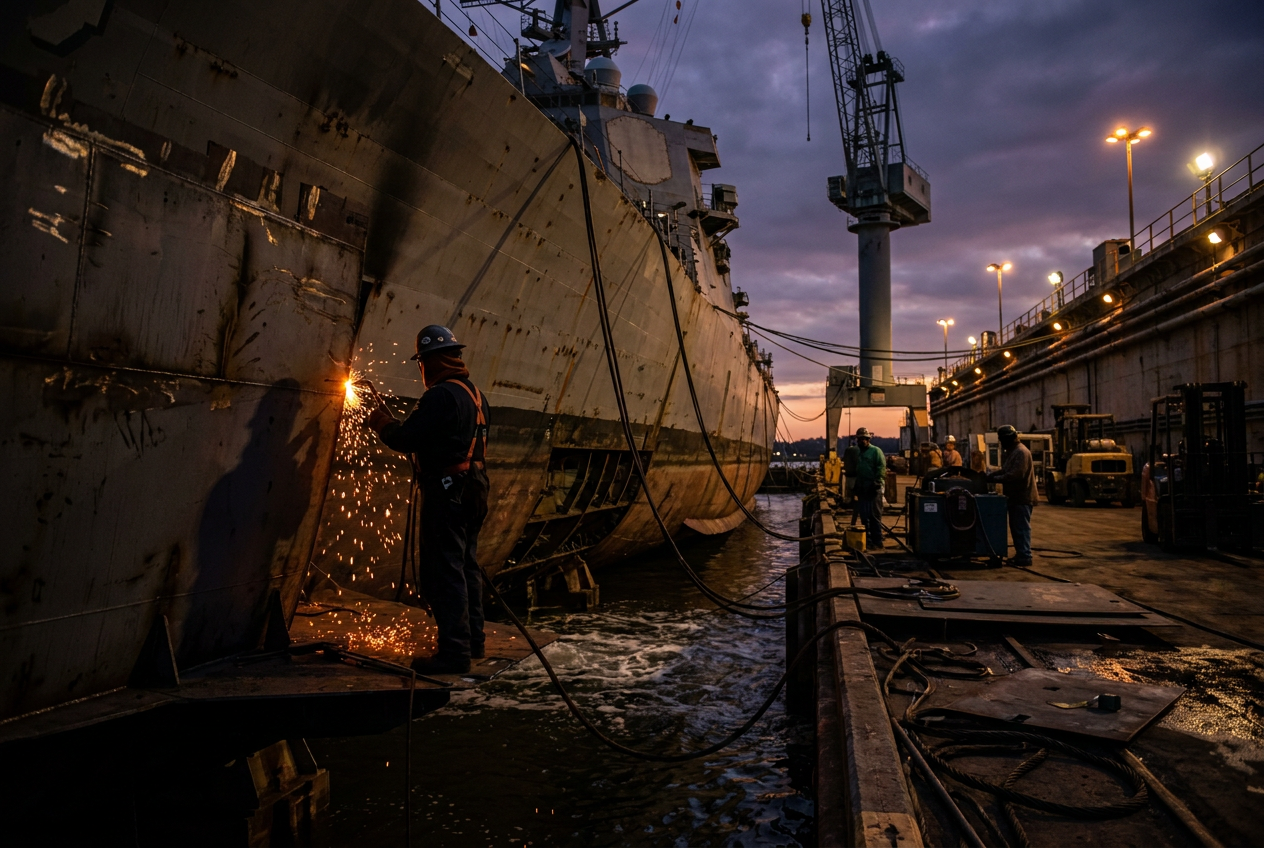
Antin’s Vigor Deal Signals Tougher Competition for U.S. Repair Capacity
Antin Infrastructure Partners’ purchase of Vigor Marine Group is more than a change of ownership: it is another sign that investors see strategic value in U.S. ship repair capacity as naval demand rises. For operators, the deal points to tighter repair-slot competition, sharper pricing discipline and a more infrastructure-style approach to yard expansion on the Pacific coast.
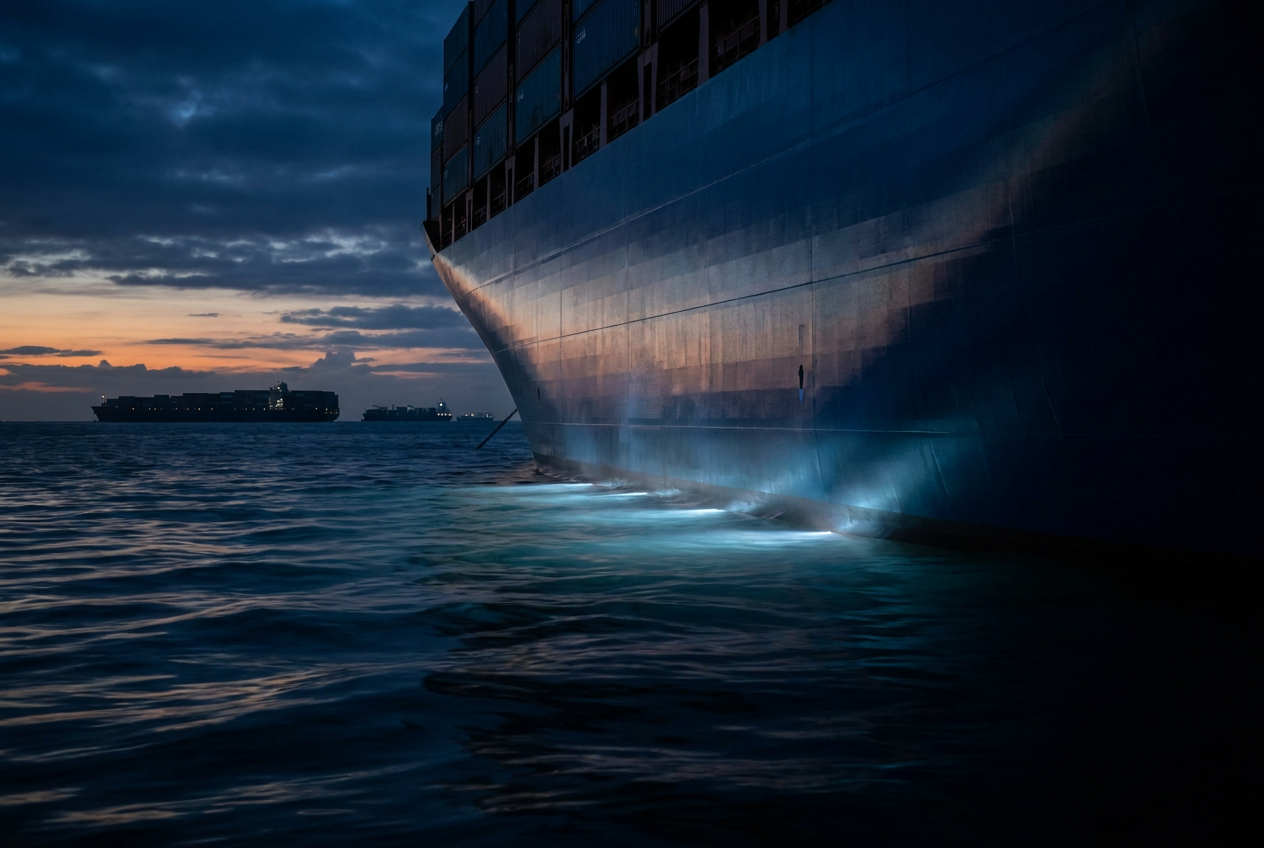
MSC and Jotun push hull care toward continuous performance management
MSC’s expanded agreement with Jotun is more than a coatings supply deal: it reflects a move toward treating hull condition as a continuously managed efficiency asset. For container operators facing tighter emissions regulation and volatile fuel costs, that shift has direct implications for compliance, earnings and fleet planning.
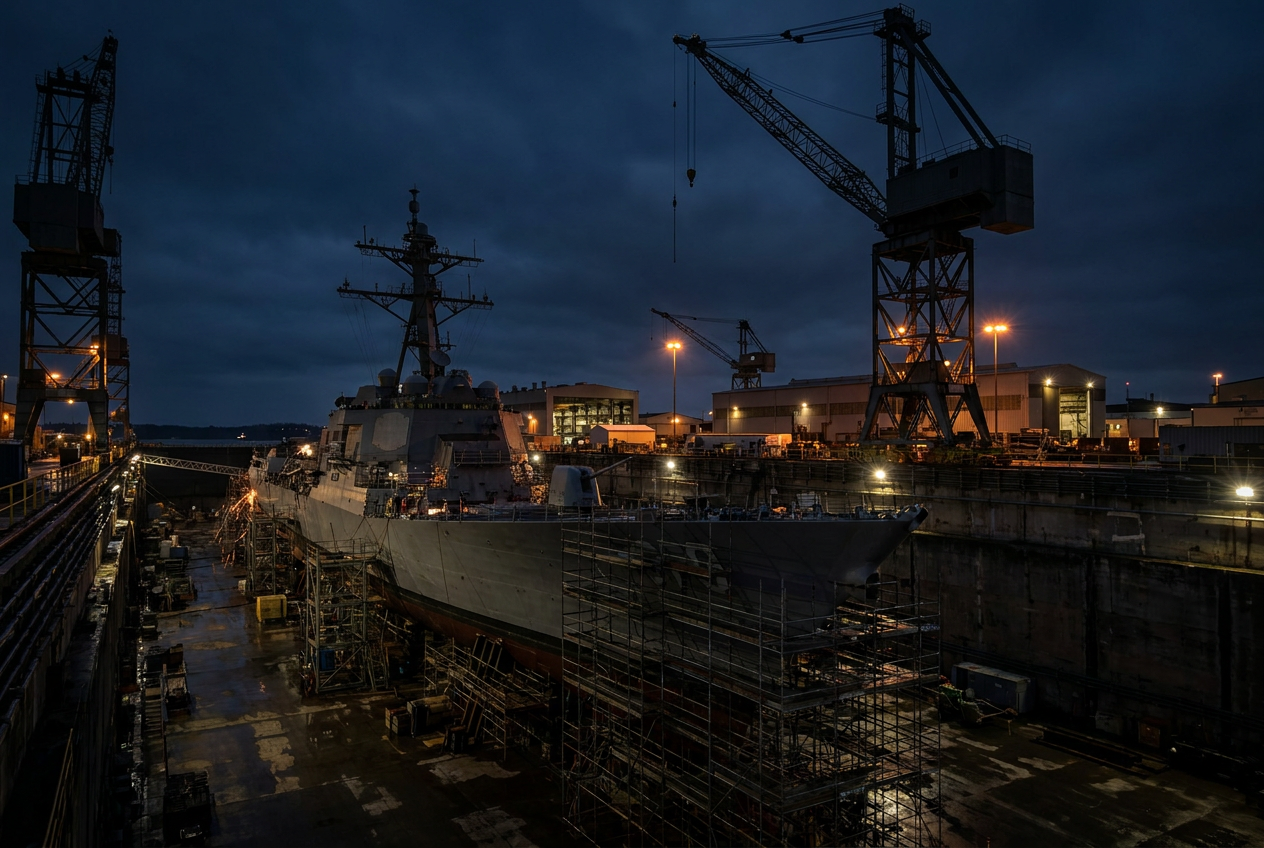
Hanwha’s Austal USA Bid Signals a New US Naval Yard Consolidation Phase
Hanwha Ocean’s offer for Austal USA is more than a corporate acquisition attempt: it is a test case for how far the United States will welcome foreign-backed capital into strategic shipbuilding. For commercial operators and naval support markets alike, the implications center on repair capacity, schedule reliability and the future geography of high-value yard work.
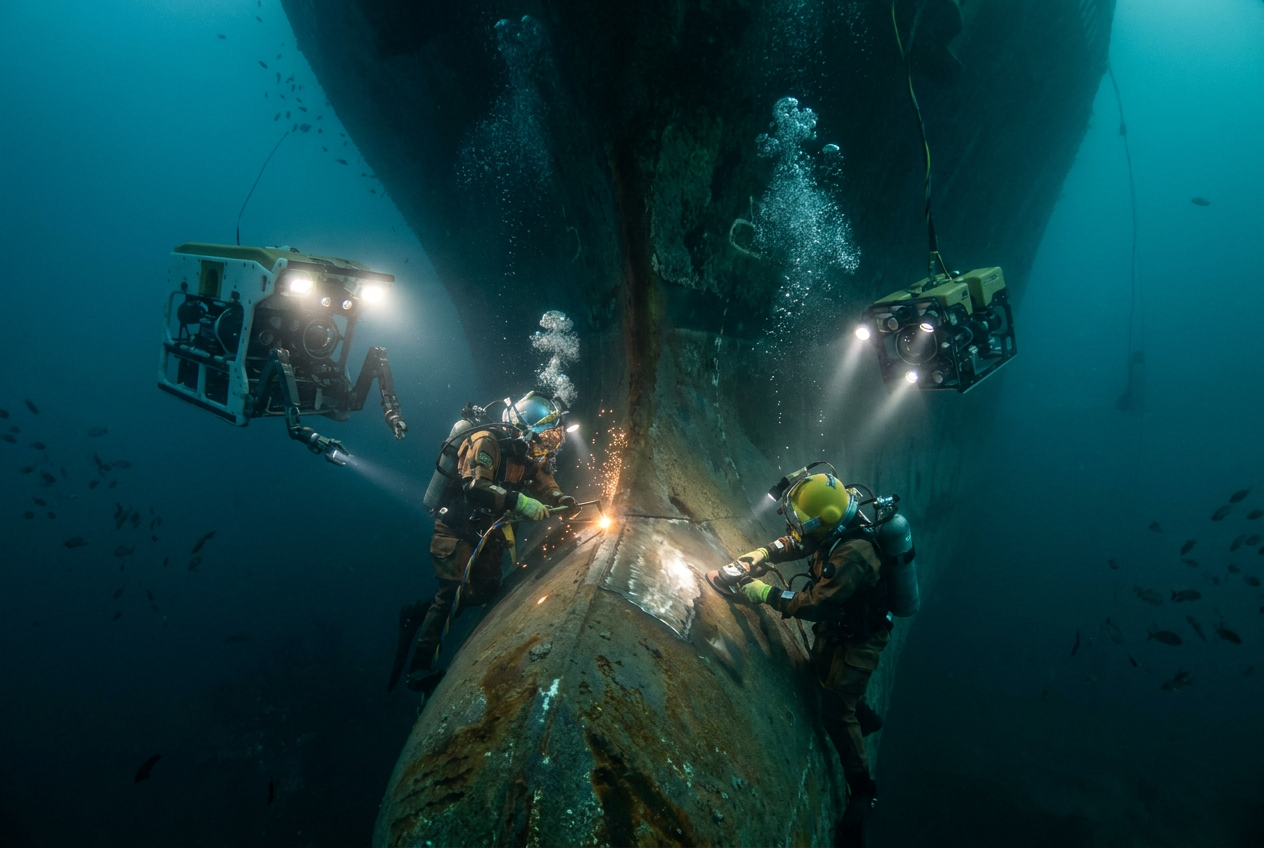
Afloat Repairs Gain Strategic Weight as Yard Access Tightens
A recent multi-region run of underwater repair jobs underscores how afloat intervention is moving from a contingency measure to a strategic operating tool. For owners and operators, the shift matters because it directly affects off-hire exposure, emissions efficiency, repair timing and access to scarce drydock capacity.
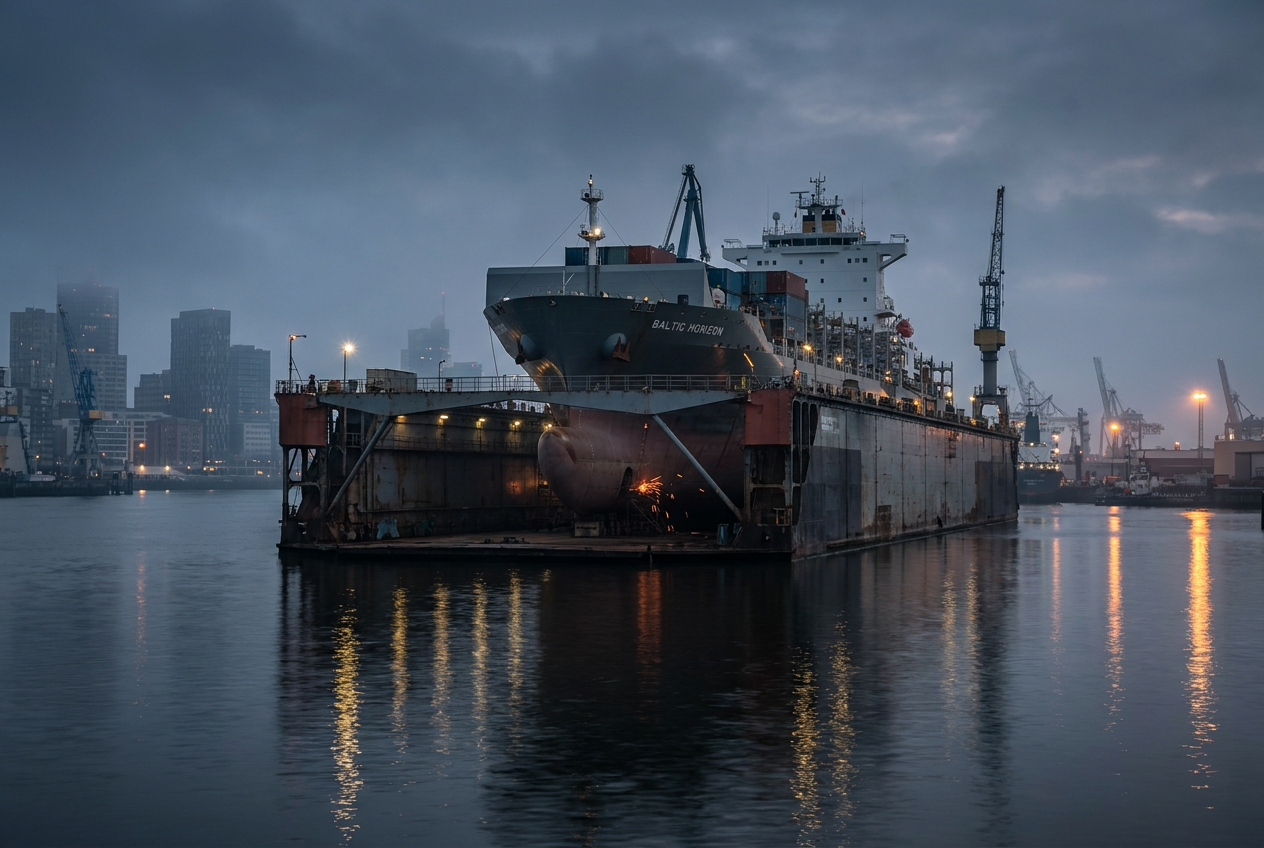
BLRT Expands Baltic Dock Capacity for Larger, Higher-Value Repair Work
BLRT Grupp’s latest floating dock project for Klaipėda signals a strategic push to move further into larger and more technically complex repair assignments. The investment matters because Baltic drydock access is tight, while compliance retrofits and efficiency upgrades are increasing demand for reliable repair windows.
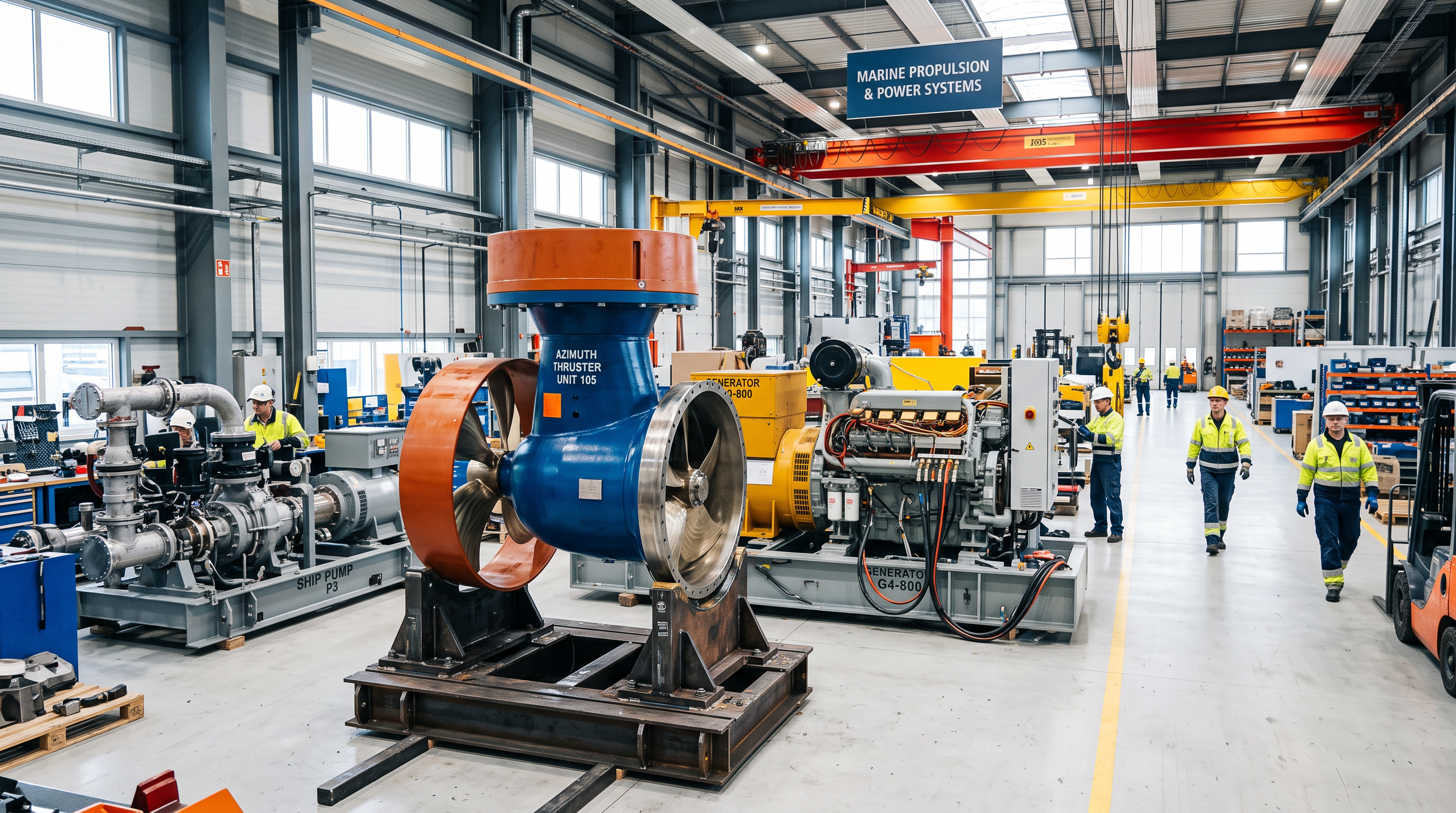
Inside Brazil's Marine Equipment Supply Chain: Local Content Meets IACS Certification
From WEG generators and Schottel thrusters to KSB pumps and De Nora ballast-water systems, Brazil's equipment manufacturers let projects satisfy local-content rules while keeping international class approvals. We assess where real capability sits — and where buyers should do line-by-line diligence.
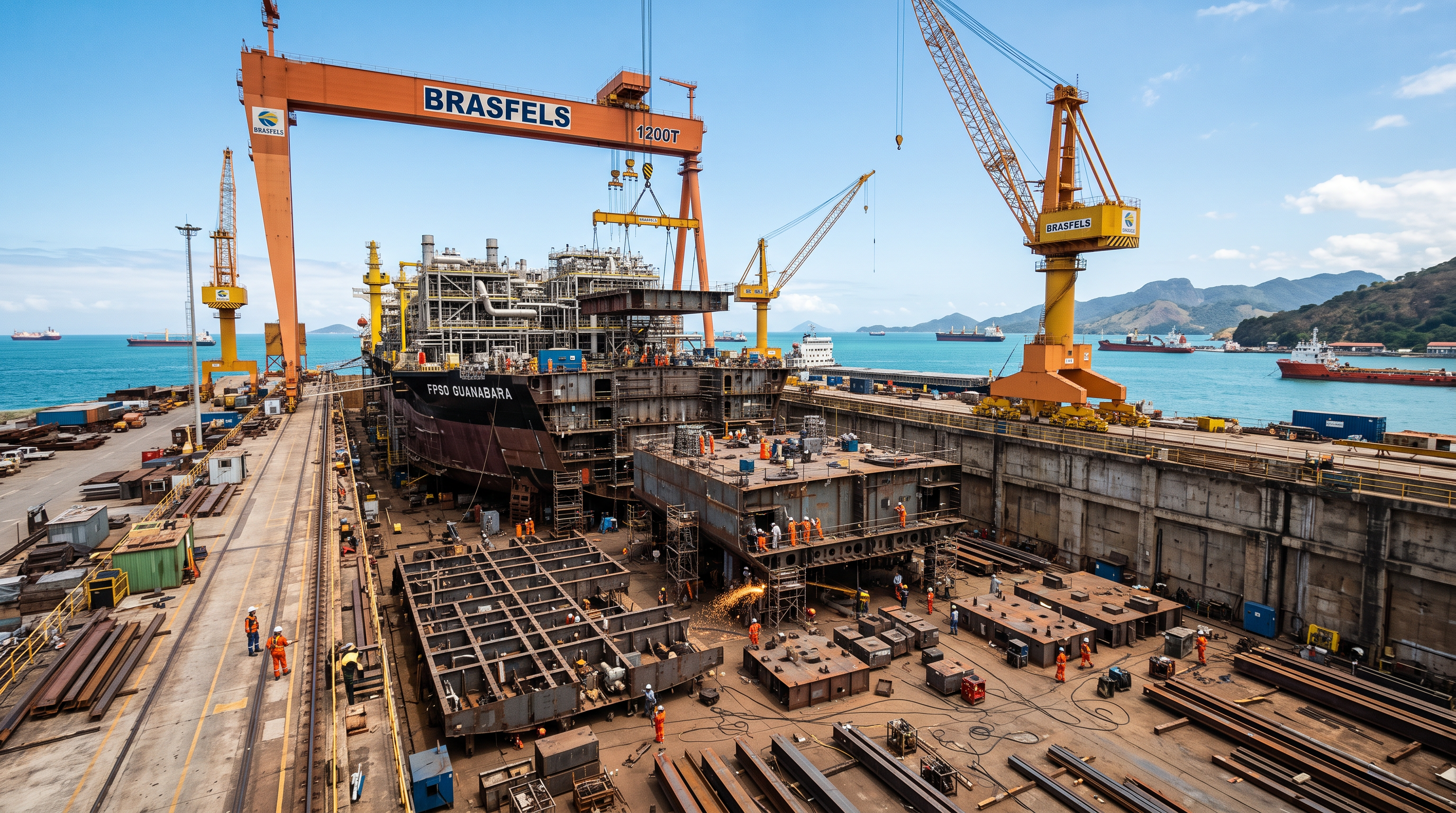
Brazil's Shipbuilding & Ship-Repair Industry in 2026: A Petrobras-Driven Recovery, and How to Enter It
Brazil's naval sector is booming again on the back of Petrobras's FPSO and platform programme. We map the leading yards, the BNDES/FMM/Repetro financing architecture, the local-content rules — and the labour, guarantee and logistics risks international players must price in.
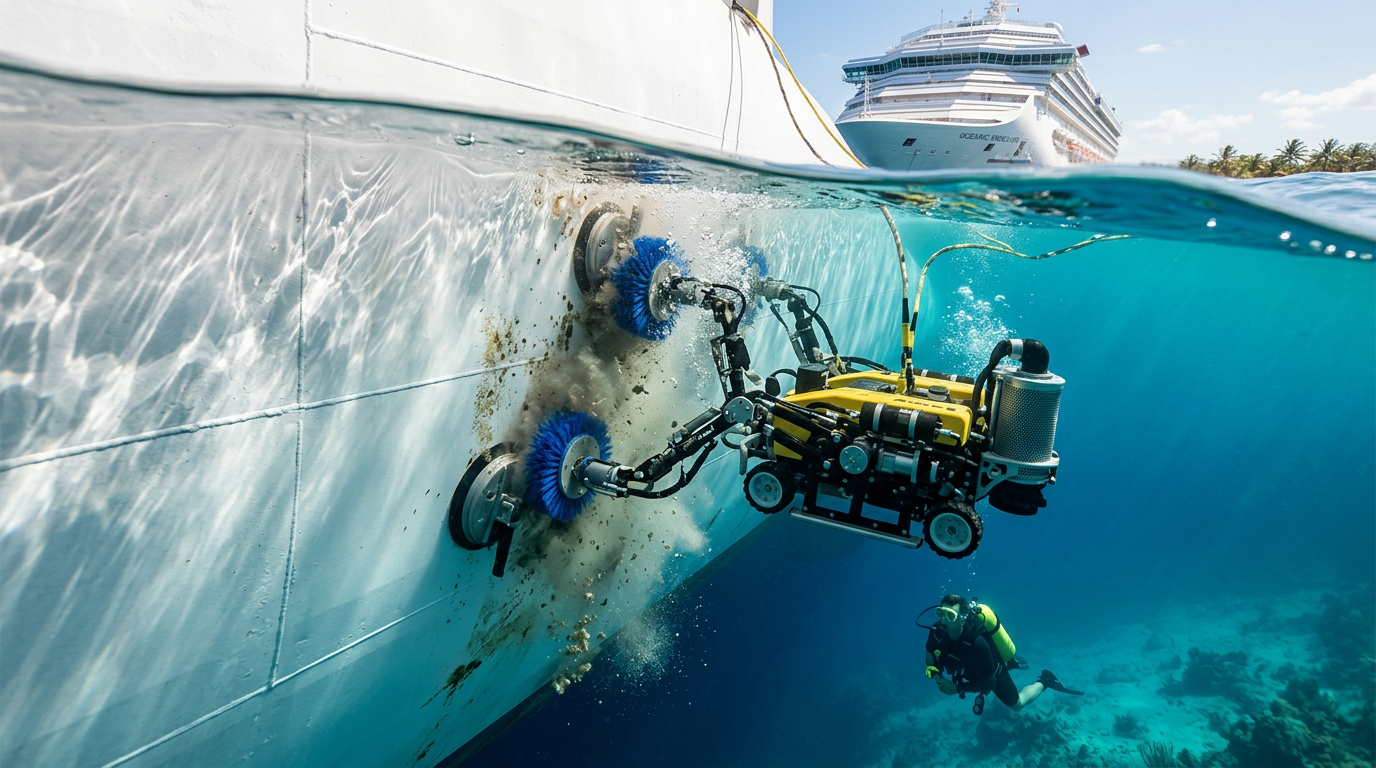
Carnival’s robotic hull cleaning move raises the bar for cruise efficiency
Carnival Cruise Line’s adoption of robotic, service-based hull cleaning is more than a technical first for the cruise sector. It signals a shift toward continuous efficiency management as operators face tighter carbon rules, rising compliance costs, and growing scrutiny of biofouling risk.
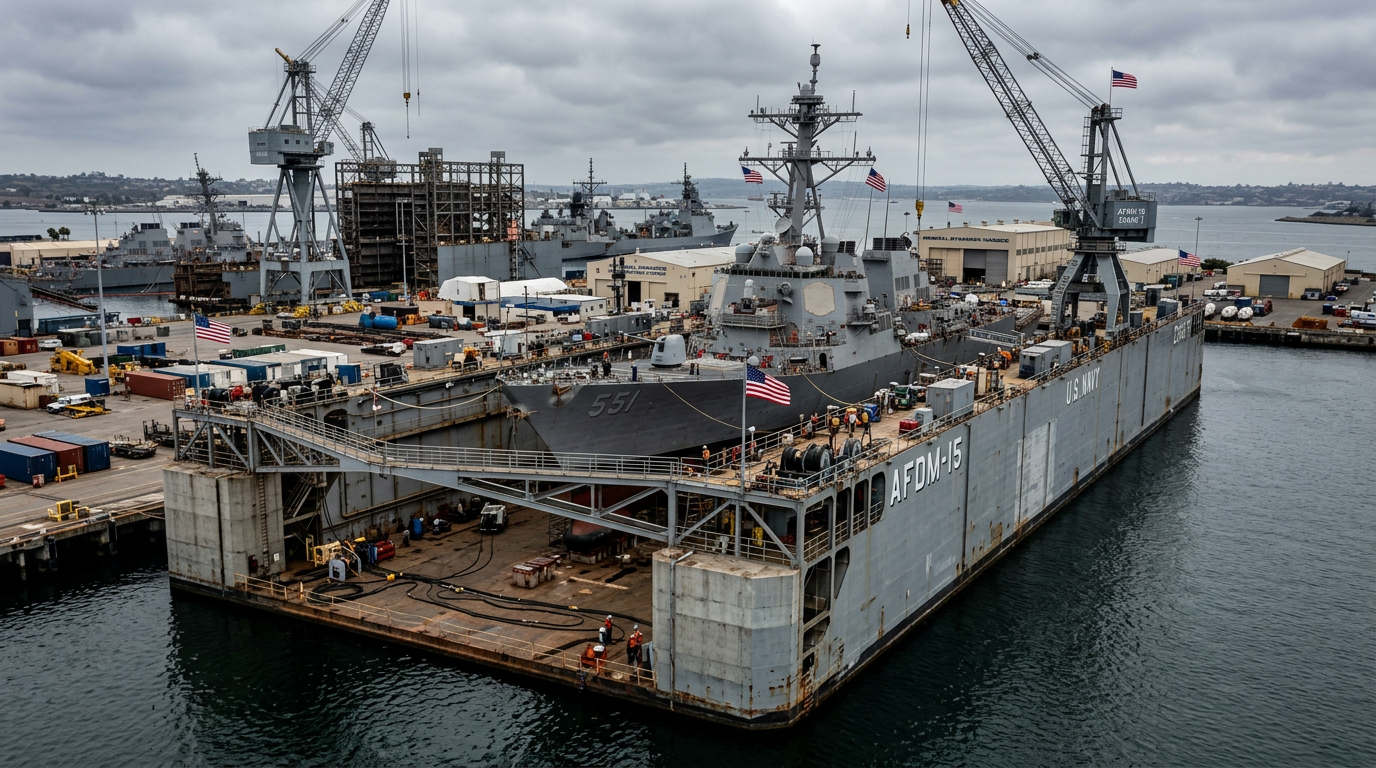
AFDM 15 Signals a Practical Shift in US Repair Capacity
The launch of AFDM 15 is more than a yard milestone in Alabama: it is a tangible addition to US maritime maintenance infrastructure at a time when repair capacity has become a strategic constraint. For operators, the significance lies less in ceremony and more in whether floating dock capacity can reduce waiting time, off-hire exposure and dependence on overstretched fixed facilities.
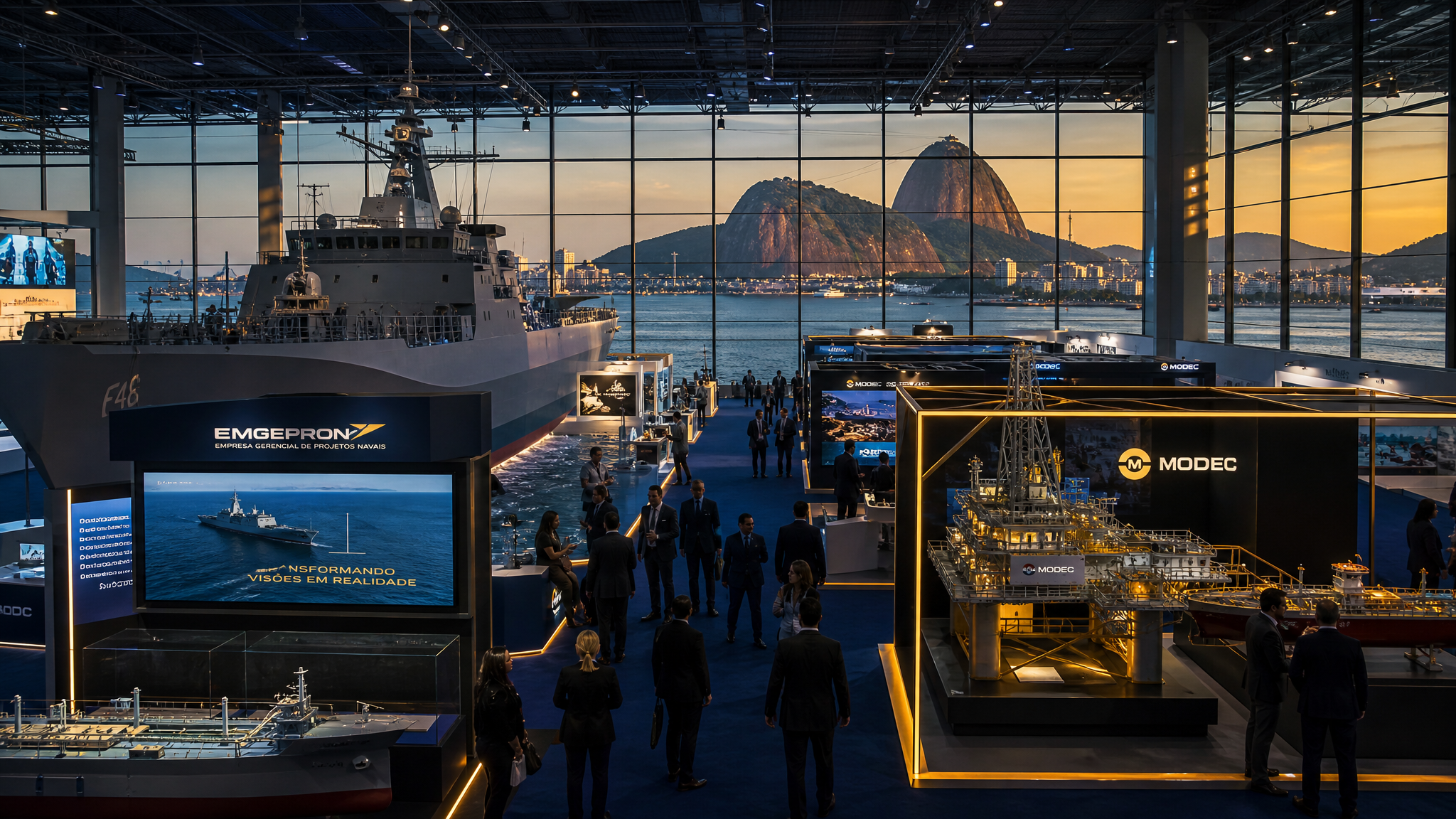
Navalshore 2026: Brazil's Largest Naval & Offshore Exhibition Returns to Rio with 164+ Exhibitors
South America's premier maritime industry event, Navalshore 2026, will gather over 164 exhibitors at ExpoMag Rio de Janeiro on August 18–20. From shipyard giants to classification societies, the exhibition reflects Brazil's booming naval sector fueled by Petrobras's multi-billion-dollar fleet renewal programs.
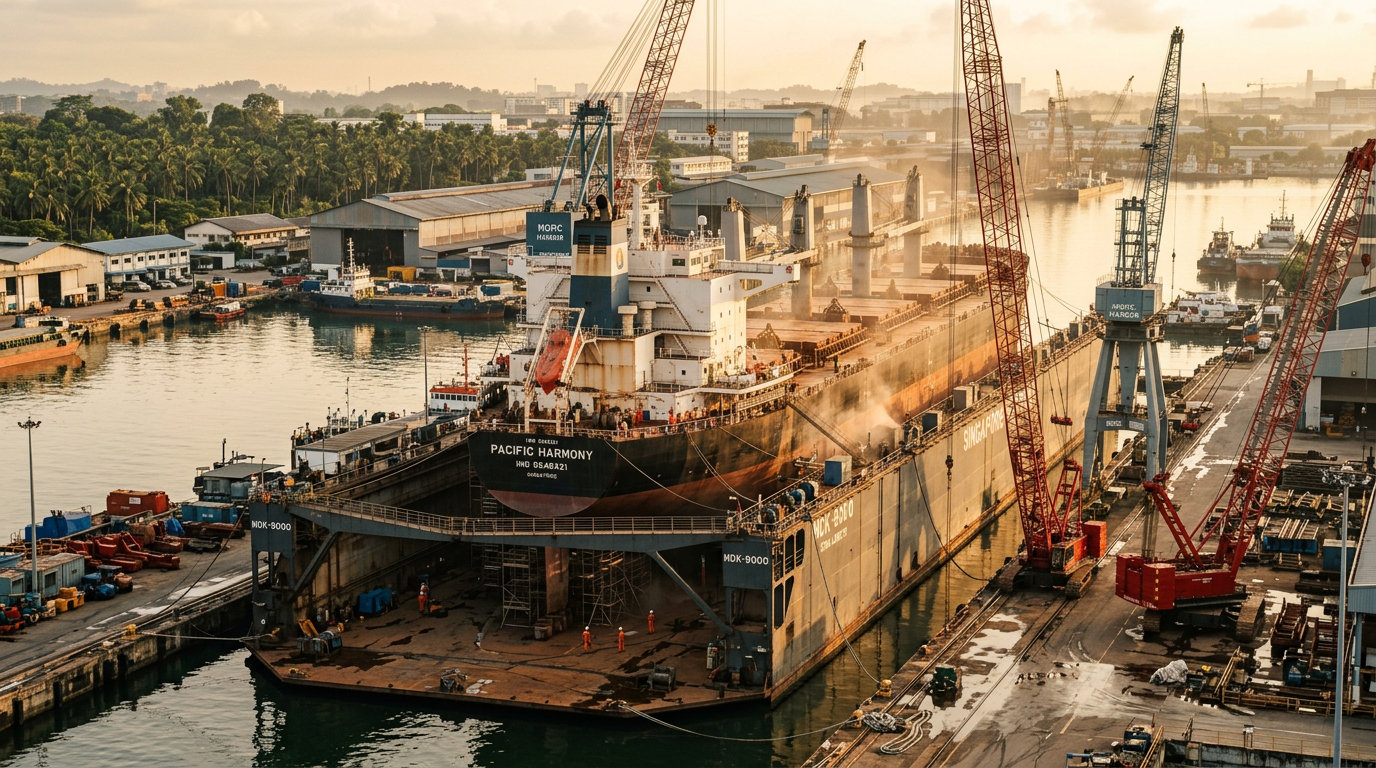
Colombo Dockyard’s Q2 rebound highlights repair-led recovery over shipbuilding
Colombo Dockyard moved back into profit in Q2 2026, driven primarily by a strong recovery in ship repair activity and tighter cost control. The result suggests improving operational discipline, although the underlying picture remains mixed because top-line growth is still absent and shipbuilding has not yet turned the corner.
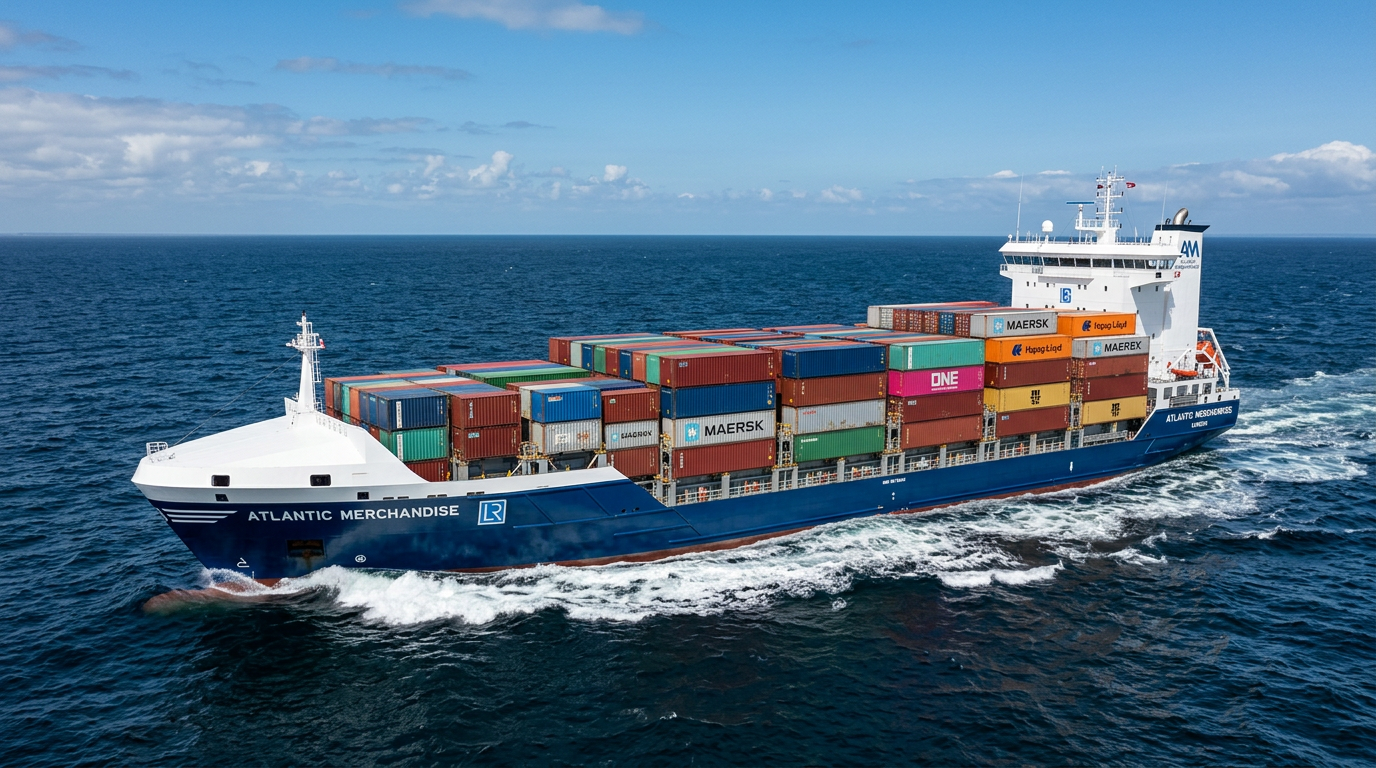
Lloyd’s Register Targets Feeder Fleet Renewal With Integrated Retrofit Support
Lloyd’s Register has introduced a feeder-vessel campaign that bundles classification, advisory and digital capabilities to help owners assess renewal, retrofit and life-extension pathways. The initiative reflects rising pressure on small container operators to balance compliance costs, fuel-transition uncertainty and tight operating economics.
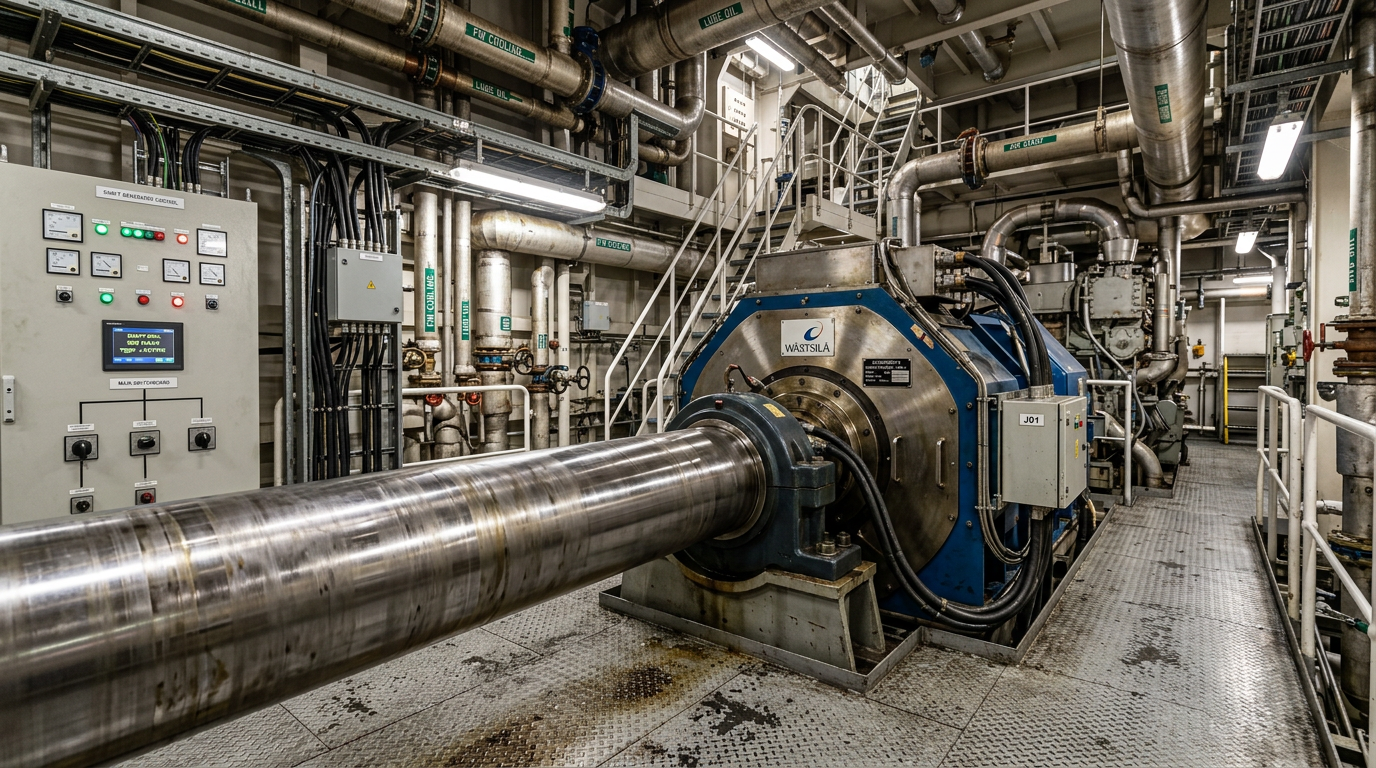
KCC’s Shaft Generator Rollout Shows Retrofit Economics Gaining Weight
Klaveness Combination Carriers ASA has expanded shaft generator use across nine vessels with WE Tech Solutions, combining retrofits with newbuild integration. The project underscores how relatively targeted machinery upgrades can improve fuel performance, support emissions compliance, and ease lifecycle maintenance pressure.
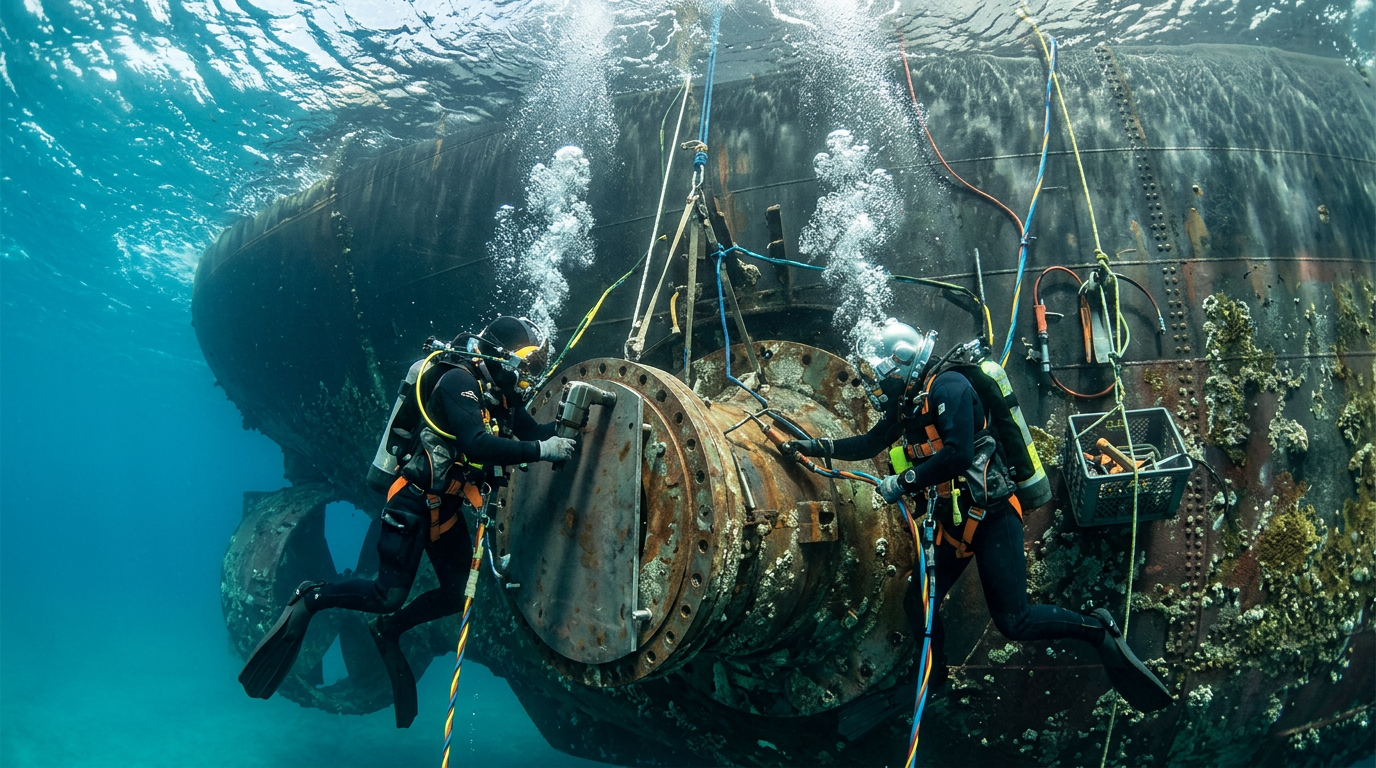
Afloat Thruster Flange Repair Highlights Drydock Avoidance Economics
MarineShaft’s in-port repair of a damaged azimuth thruster flange in Denmark shows how portable machining can remove the need for a return docking when propulsion defects emerge after a planned yard stay. For owners facing scarce dock capacity and tighter operating margins, the case underlines the growing value of technically controlled afloat interventions.
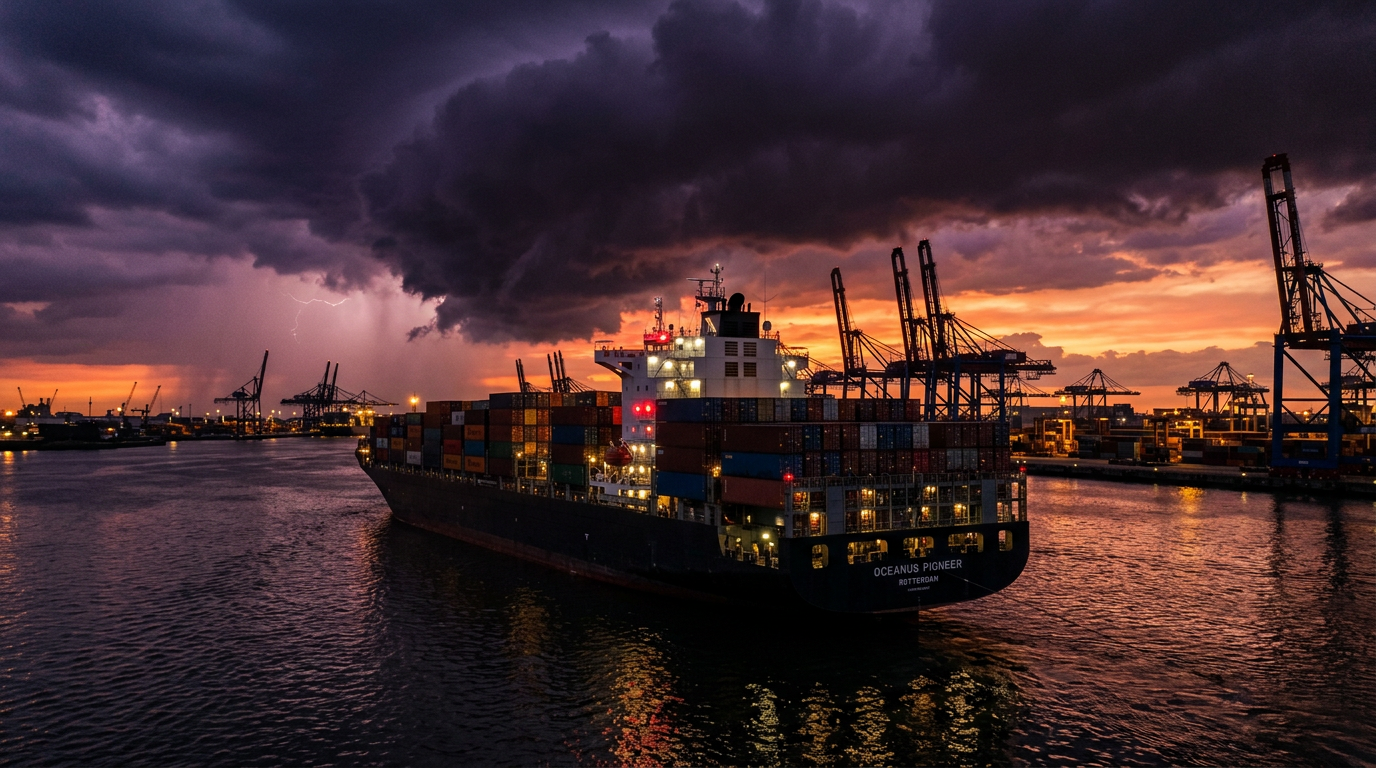
Why Emergency Ship Repairs Fail Before They Start: The Maritime Payment Gap
SWIFT transfers take 2-5 days. A disabled vessel in a storm has hours. We analyze the critical gap between emergency repair demand and payment infrastructure.
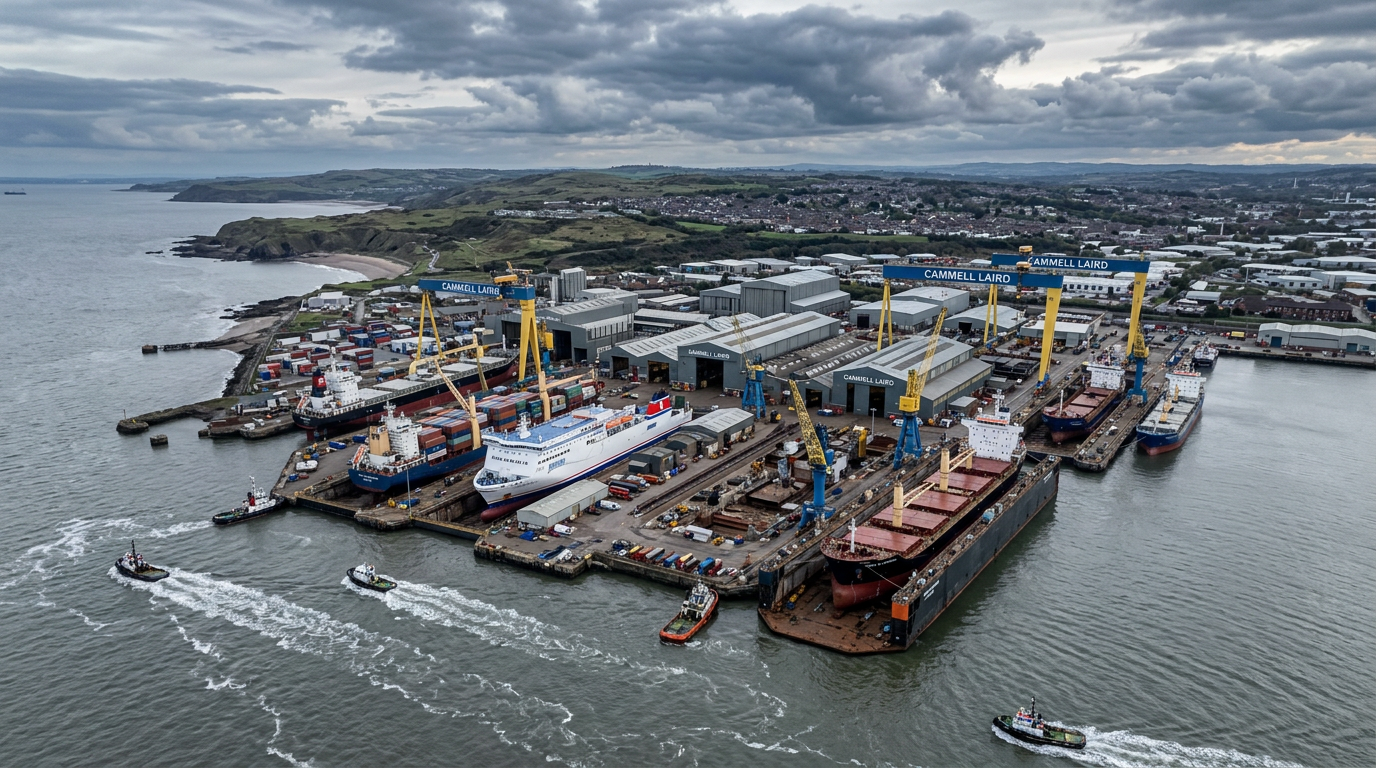
Balaena-APCL Deal Reshapes UK Repair Capacity and Slot Competition
Balaena’s purchase of APCL brings several major UK yards under one ownership structure, creating a repair and fabrication network with wider geographic reach and greater scale. For shipowners and technical managers, the significance lies less in deal size than in what it may do to docking access, turnaround flexibility, and the balance between defence and commercial work.
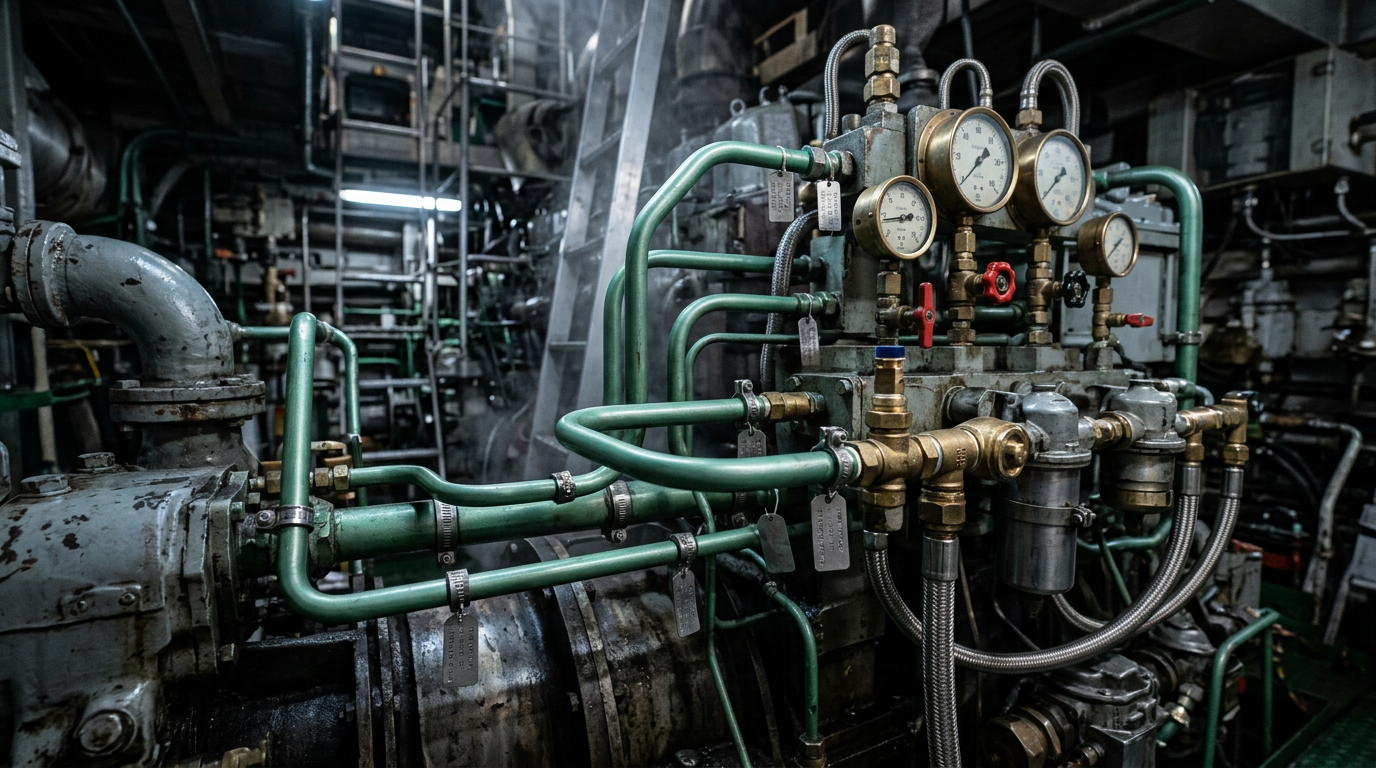
Methanol Retrofits Move Toward Scale Despite IMO Policy Uncertainty
Alternative-fuel engine retrofits are advancing faster than the global rulebook. Even without a settled IMO framework, early methanol conversions and rising yard preparedness suggest owners can no longer treat retrofit planning as a distant decarbonisation option.
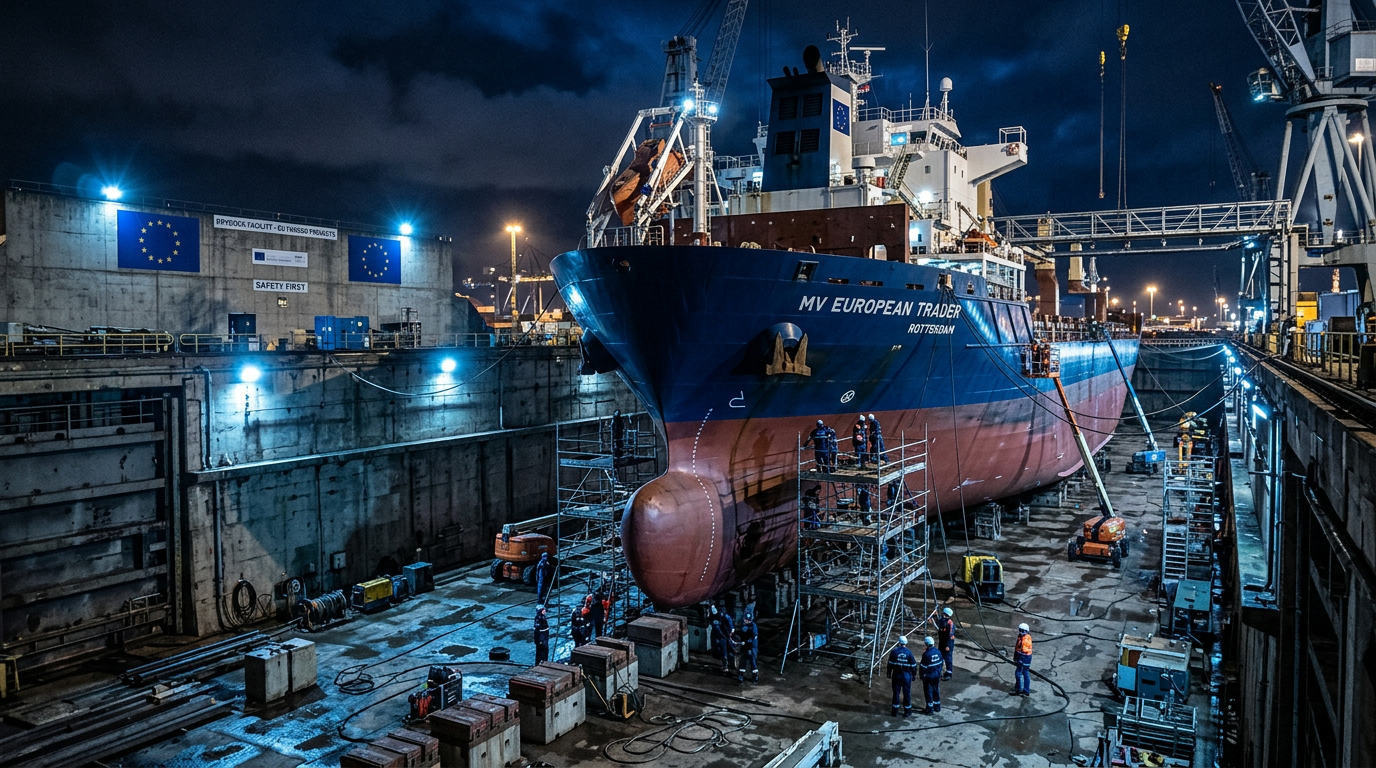
EU ETS 2026 Is Turning Drydock Timing Into a Carbon Cost Decision
As maritime EU ETS exposure expands in 2026, carbon cost is moving from a compliance line item to a technical planning driver. For many owners, the real decision is no longer whether to retrofit, but whether yard access, off-hire and vessel age justify acting before congestion and regulation compound the bill.