KCC’s Shaft Generator Rollout Shows Retrofit Economics Gaining Weight
Klaveness Combination Carriers ASA has expanded shaft generator use across nine vessels with WE Tech Solutions, combining retrofits with newbuild integration. The project underscores how relatively targeted machinery upgrades can improve fuel performance, support emissions compliance, and ease lifecycle maintenance pressure.
What happened
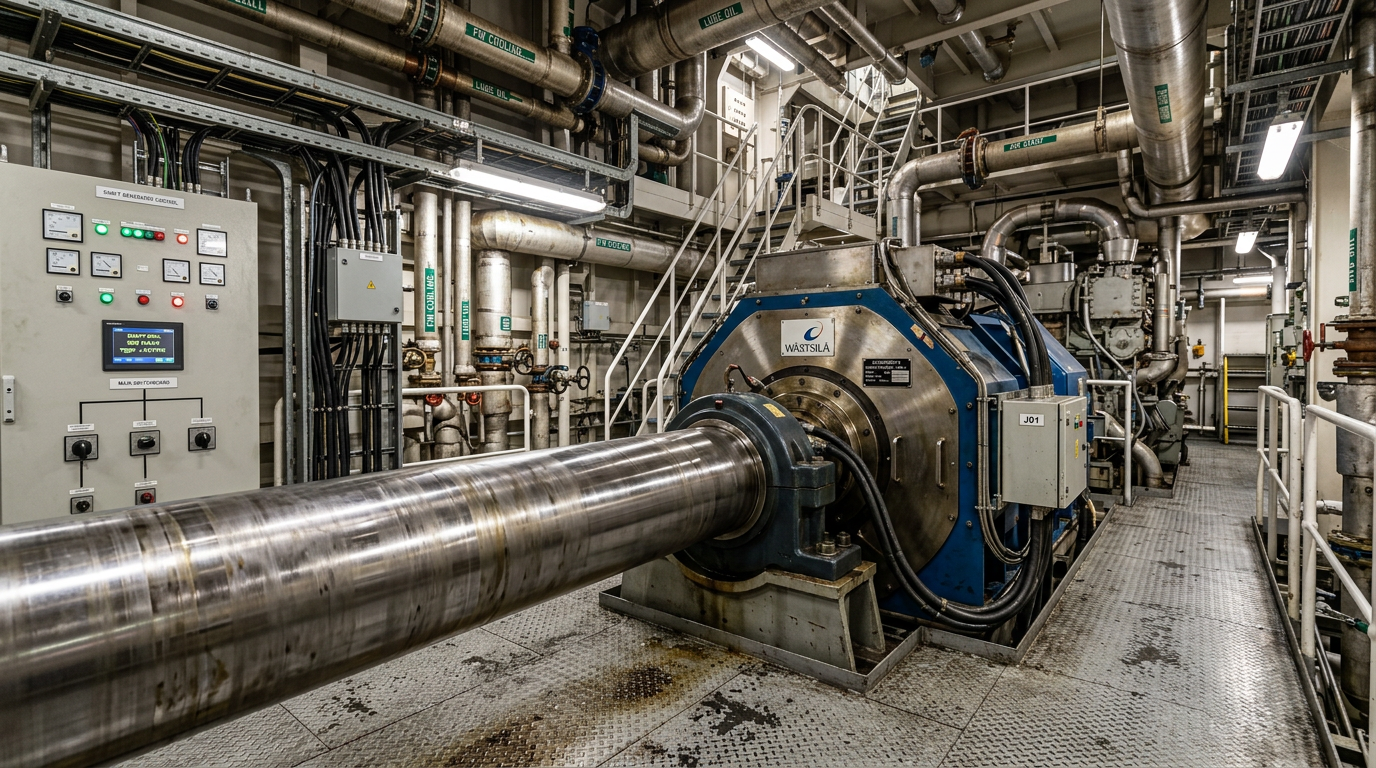
KCC has fitted shaft generators on nine ships in total, covering six existing vessels and three new ships due to enter service in 2026, working with WE Tech Solutions. The system lets the propulsion engine produce electrical power during voyages, cutting reliance on auxiliary engines; KCC also points to better main-engine loading, lower machinery-space noise and heat, and fewer generator operating hours as key benefits. The retrofit work was made more difficult by limited engine-room space, and the two companies have been collaborating since 2014.
What it means for owners
For owners and technical managers, this is a useful example of how operational efficiency projects are becoming less about headline innovation and more about disciplined compliance economics. A shaft generator is not a novel technology, but in the current regulatory and fuel-cost environment its value proposition has sharpened. When a vessel can reduce auxiliary engine use at sea, the saving is no longer just a bunker line item; it also affects carbon intensity performance, allowance exposure under the EU ETS, and in many trades the vessel’s trajectory under FuelEU Maritime. Even modest reductions in daily fuel consumption can materially influence annual CII outcomes, especially for ships trading with narrow compliance margins. In that sense, the commercial case increasingly rests on avoided regulatory cost as much as on engineering efficiency.
The loading effect on the main engine is also commercially relevant. If the shaft generator adds around 15% to the propulsion engine’s normal load, that can help move operation toward a more efficient band when ships might otherwise be running below ideal load conditions. For operators dealing with slow steaming, variable routing, and weather-related speed losses, that matters. Better specific fuel consumption from the main engine, combined with fewer hours on gensets, can improve voyage economics without requiring a step-change fuel technology decision. This is exactly the sort of intermediate decarbonisation measure many fleets need while waiting for clearer fuel availability, charter-party alignment, and infrastructure certainty around methanol, ammonia, or other next-generation options.
There is also a drydock and maintenance planning angle that should not be overlooked. Reduced auxiliary engine runtime should lower overhaul frequency, parts consumption, and maintenance labour demand over the medium term. That has value not only in direct opex reduction but also in off-hire avoidance, particularly for operators facing tight drydocking windows and congested repair capacity. However, the capex case still depends on vessel age, trading pattern, electrical load profile, and remaining asset life. Retrofitting six ships suggests KCC sees sufficient payback visibility, but not every owner will. The decisive question for the wider market is whether the fuel, carbon, and maintenance savings can amortise installation cost fast enough before the ship faces its next major strategic decision point, whether that is a special survey, alternative-fuel conversion, or exit from service.
MaritimeNG — critical view
This case is encouraging, but the industry should resist treating shaft generators as a universal answer. Their performance depends heavily on operating profile. Ships with irregular power demand, prolonged low-load propulsion conditions, or limited time at sea may not capture the same benefit as vessels on steadier service patterns. The retrofit constraint highlighted here, namely engine-room space, is also a reminder that machinery upgrades often look cleaner in boardroom spreadsheets than in steel. Integration complexity, class approval, yard time, electrical system harmonisation, and crew familiarisation all carry execution risk.
There is also a broader strategic question. Incremental efficiency retrofits can improve CII and reduce compliance cost today, but they do not eliminate future exposure to tightening fuel standards. Owners need to be careful not to overstate the decarbonisation significance of measures that primarily optimise conventional propulsion. The right view is that shaft generators can be a strong transitional investment, provided they are assessed within a wider fleet roadmap that includes fuel strategy, charter economics, and drydock sequencing rather than as a standalone sustainability solution.
Verdict
KCC’s programme is best understood as a pragmatic decarbonisation and cost-control move: not transformational on its own, but highly relevant in a market where efficiency gains, compliance exposure, and maintenance planning increasingly intersect. For owners evaluating retrofit pathways, the lesson is to quantify total lifecycle impact, not just fuel savings, an approach consistent with the technical-commercial discipline increasingly expected across the ship repair and maintenance sector.
Fundamental basis
The economic mechanics behind the facts above, grounded in Martin Stopford’s Maritime Economics. Reference only — not investment advice.
Facing a similar situation on your vessel? Model the numbers before you commit.
Open the off-hire & deviation calculatorsSource Attribution
This analytical review is based on publicly available facts originally reported by Drydock Magazine. MaritimeNG does not claim authorship of the underlying facts. Read the original publication
© 2026 MaritimeNG — Independent analytical commentary. All analysis, opinions, and forward-looking assessments are original work by MaritimeNG Editorial and may differ from those of the parties mentioned or the cited source. Factual data is restated in our own words based on publicly available information. All trademarks and trade names belong to their respective owners. This content does not constitute legal, technical, or investment advice.